menu

Signs of Hidden Mold in St. Louis – Protect Your Property with Expert Detection and Removal

St. Louis's humid climate and seasonal flooding create perfect conditions for concealed mold growth. Our certified inspectors use thermal imaging and moisture mapping to find indicators of invisible mold before they destroy your home's structure and your family's health.

Slider Image 1
Slider Image 2
Slider Image 3
Slider Image 4
Slider Image 5
Slider Image 7
Slider Image 8
Slider Image 9
Slider Image 10
Slider Image 11

Why Hidden Mold Thrives in St. Louis Homes

St. Louis sits at the confluence of the Mississippi and Missouri Rivers, creating year-round humidity levels that hover between 60 and 80 percent. This moisture-saturated air seeps into crawl spaces, attics, and wall cavities throughout the metro area, from Soulard's historic brick rowhouses to the split-level ranches in Webster Groves.

You cannot see symptoms of concealed mold in the first weeks or even months. The spores colonize inside drywall, under subflooring, and behind shower surrounds where water intrusion from St. Louis's frequent spring thunderstorms goes unnoticed. Clay soil common to the region shifts foundations, creating hairline cracks that channel groundwater into basements.

Evidence of unseen mold appears as persistent musty odors, unexplained respiratory issues, or warped baseboards. These indicators of invisible mold signal active colonies feeding on cellulose in your building materials. Detecting hidden mold requires more than a visual inspection. Thermal imaging reveals temperature differentials where moisture accumulates. Moisture meters quantify saturation levels in wood framing and drywall. Air sampling identifies spore counts and species type.

The longer you wait, the more structural damage occurs. Mold digests organic material, weakening floor joists and roof decking. Health effects compound as spore concentrations increase. In neighborhoods like The Hill or Tower Grove South, older homes with balloon framing and minimal vapor barriers create vertical pathways for mold migration between floors. Signs of mold behind walls include peeling paint, discoloration, and soft spots in drywall that compress when pressed.

Why Hidden Mold Thrives in St. Louis Homes
How Professional Mold Detection Works

How Professional Mold Detection Works

Patriot Water Damage Restoration St. Louis uses a multi-phase inspection protocol that goes beyond surface-level observation. We start with a comprehensive visual assessment of common failure points: HVAC plenums, plumbing penetrations, window flashing, and foundation interfaces. Our technicians understand how St. Louis's freeze-thaw cycles stress building envelopes, creating entry points for moisture.

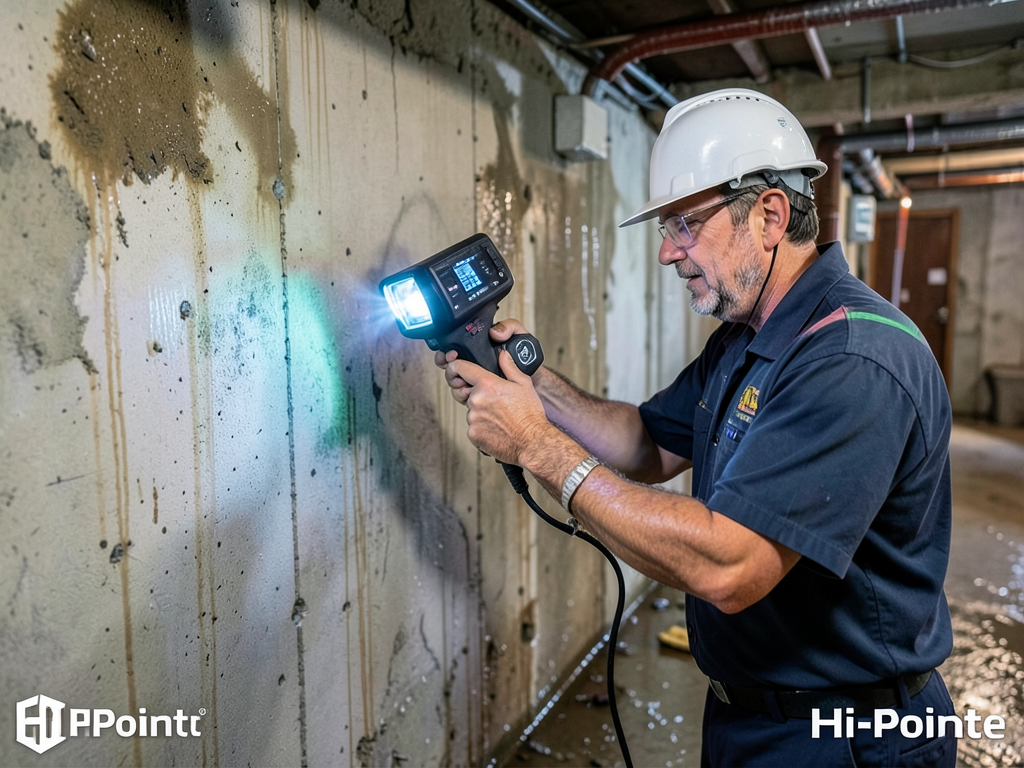
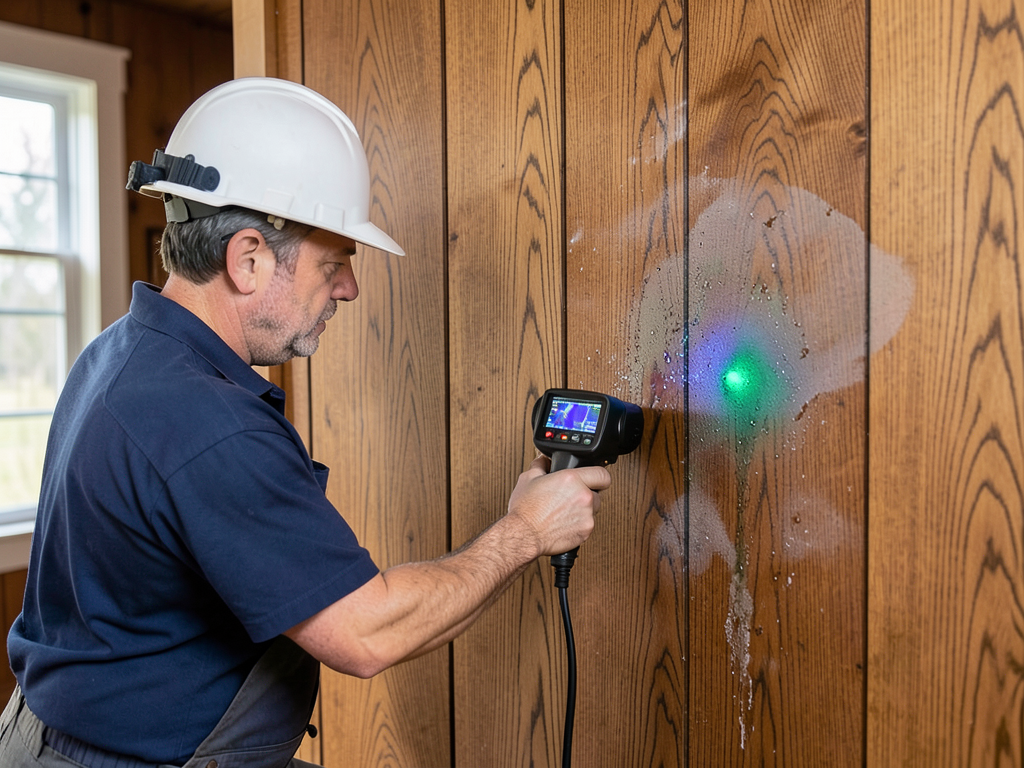
Thermal imaging cameras detect temperature variations as small as 0.1 degrees Fahrenheit. Wet building materials appear cooler than dry surfaces because moisture conducts heat differently. This technology reveals hidden water damage inside exterior walls after heavy rains or behind tile surrounds where grout has failed. We document thermal anomalies with high-resolution imagery that insurance adjusters accept as proof of loss.

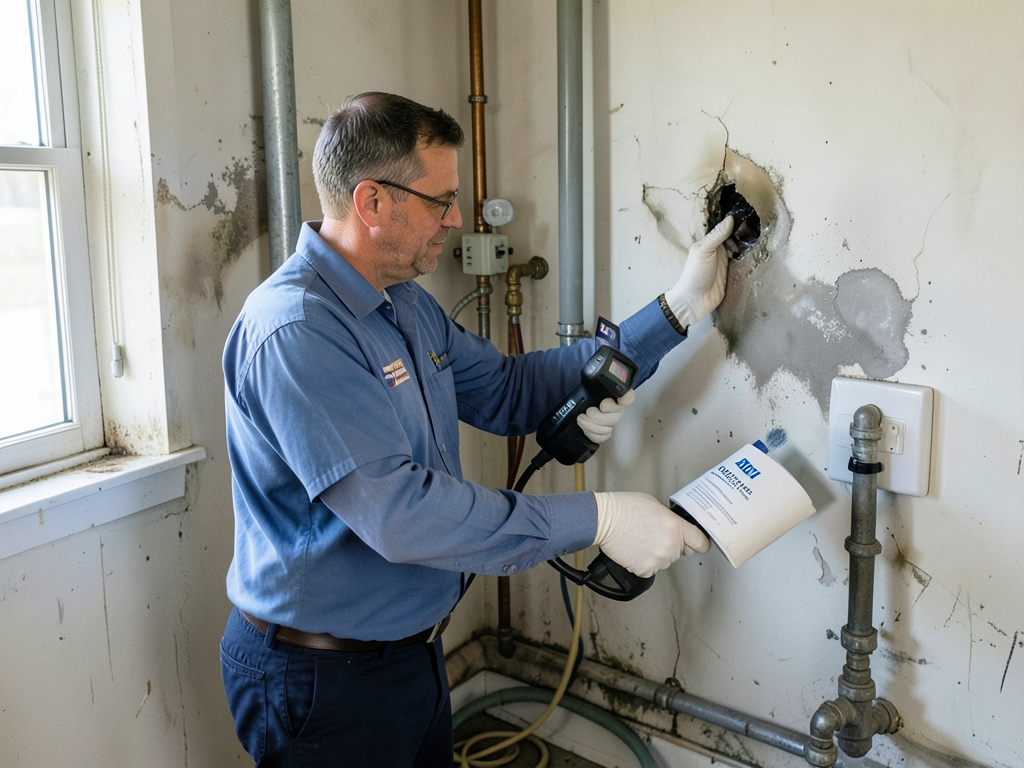
Moisture mapping creates a grid of readings across floors, walls, and ceilings using non-invasive and invasive meters. Non-invasive sensors scan large surface areas quickly. Invasive probes penetrate drywall or subflooring to measure moisture content at material depth. We compare readings against manufacturer specifications and industry standards to determine saturation severity.

Air sampling captures airborne spore counts in affected areas and control zones. Laboratory analysis identifies mold species and concentration levels per cubic meter of air. This data determines whether remediation requires containment barriers and negative air pressure or simpler cleaning protocols. Surface sampling with tape lifts or swabs confirms visible growth species.

Borescope inspection allows us to examine wall cavities, ductwork interiors, and beneath bathtubs without demolition. A fiber-optic camera feeds live video to a monitor, revealing mold growth on studs, insulation backing, or subfloor surfaces. This precision reduces unnecessary demolition and targets remediation efforts.

What Happens During Your Mold Inspection

Signs of Hidden Mold in St. Louis – Protect Your Property with Expert Detection and Removal
01

Initial Site Assessment

Our inspector arrives with calibrated moisture meters, thermal cameras, and air sampling equipment. You walk through the property together, discussing water damage history, HVAC performance, and health symptoms family members have experienced. The inspector documents environmental conditions including temperature, humidity, and visible water stains. This consultation typically takes 20 to 30 minutes and establishes baseline data for technical investigation.
02

Technical Detection and Sampling

The inspector systematically scans walls, ceilings, and floors with thermal imaging, marking anomalies for moisture verification. Moisture meters confirm saturation levels in flagged areas. Air samples are collected in affected rooms and control areas for laboratory comparison. Surface samples document visible growth. Borescope inspection examines concealed spaces. This phase takes one to three hours depending on property size and complexity. You receive preliminary findings before the inspector leaves.
03

Laboratory Analysis and Reporting

Air and surface samples go to an accredited microbiology laboratory for species identification and spore counting. Results return within 48 to 72 hours. Your detailed report includes thermal images, moisture maps, laboratory findings, and a remediation scope. We explain which materials require removal, what can be cleaned in place, and how to prevent recurrence. Insurance claim documentation is included. You get a clear action plan with no ambiguity about next steps.

Why St. Louis Homeowners Trust Our Mold Detection Service

St. Louis's unique architecture and climate demand local expertise. The historic neighborhoods east of Forest Park feature pre-1950 construction with no vapor barriers, solid masonry walls that wick groundwater, and basements that flood during Mississippi River high-water events. Newer subdivisions in St. Charles County face different challenges including improperly graded lots, inadequate gutter systems, and HVAC ductwork in unconditioned attics where summer condensation breeds mold.

We know which building materials St. Louis contractors used in different eras and how they fail. Knob-and-tube wiring creates thermal bypasses. Original cast-iron plumbing corrodes and leaks inside walls. Balloon framing spreads mold vertically through open stud bays. This knowledge shapes our inspection strategy and helps us find problems other inspectors miss.

Our technicians hold certifications from the Institute of Inspection, Cleaning and Restoration Certification and complete ongoing education in building science and microbial remediation. We follow the Environmental Protection Agency's mold remediation guidelines and the American Conference of Governmental Industrial Hygienists' bioaerosol assessment protocols. This training ensures accurate identification and appropriate response recommendations.

Insurance companies trust our documentation because we follow industry standards and provide detailed evidence. Adjusters know our thermal images are calibrated, our moisture readings are defensible, and our laboratory reports come from accredited facilities. This credibility streamlines your claim process and reduces disputes over coverage.

We have restored properties throughout the St. Louis metro, from Clayton's commercial districts to the residential blocks of South City. We understand local building codes, permitting requirements, and how weather patterns affect different neighborhoods. This regional knowledge makes our inspections more thorough and our remediation plans more effective.

What to Expect from Your Mold Inspection

Same-Day or Next-Day Scheduling

We understand that suspected mold growth creates anxiety about health risks and property damage. Our scheduling team prioritizes rapid response, with most inspections occurring within 24 hours of your call. Emergency situations like active water intrusion or severe respiratory symptoms receive same-day service. We work around your schedule, including evenings and weekends, because waiting increases both health exposure and structural damage. The inspection itself takes one to three hours depending on your property size and the extent of suspected contamination.

Comprehensive Property Evaluation

Your inspector arrives with professional-grade detection equipment and explains each step before proceeding. We examine obvious problem areas and investigate common hidden failure points including crawl spaces, attics, mechanical rooms, and plumbing chases. Thermal imaging and moisture mapping identify wet materials you cannot see. Air and surface sampling provide laboratory-confirmed species identification and concentration data. You receive preliminary findings onsite and a detailed written report with laboratory results within three to five business days. The report includes photographs, thermal images, moisture maps, and specific remediation recommendations.

Actionable Remediation Plan

Your inspection report includes a clear scope of work detailing which materials require removal, what can be cleaned and salvaged, and how to address the moisture source causing mold growth. We explain the difference between cosmetic cleaning and structural remediation so you understand the true extent of work required. Cost factors are broken down by phase including containment, demolition, antimicrobial treatment, and reconstruction. This transparency helps you budget appropriately and prevents surprise expenses. We answer questions about insurance coverage and provide documentation your adjuster needs.

Post-Remediation Verification Testing

After remediation is complete, we perform clearance testing to verify that spore counts have returned to normal background levels and no viable mold colonies remain. This independent verification protects you from incomplete work and provides documentation that your property is safe for reoccupancy. We also provide guidance on controlling humidity, improving ventilation, and monitoring vulnerable areas to prevent future growth. Many homeowners schedule annual inspections for high-risk areas like basements and crawl spaces, particularly after heavy rain seasons or plumbing repairs.

Frequently Asked Questions

You Have Questions,
We Have Answers

How can you tell if you have hidden mold in your house? +

Look for musty odors in basements, crawl spaces, or bathrooms. Check for visible discoloration on walls, ceilings, or around windows. St. Louis homes often trap moisture due to high humidity and Mississippi River proximity. Feel for damp drywall or warped baseboards. Inspect behind appliances and under sinks for water stains. Persistent condensation on windows signals poor ventilation. Residents in older St. Louis neighborhoods should examine wall cavities after roof leaks or plumbing failures. If you notice allergy symptoms worsening indoors, hidden mold may be growing behind surfaces. Professional inspection catches what you cannot see.

What are signs of mold sickness? +

Respiratory issues like chronic coughing, wheezing, or sinus congestion appear first. You may experience headaches, fatigue, or difficulty concentrating. Skin irritation and itchy eyes are common. Some people develop nosebleeds or throat irritation. St. Louis residents with asthma notice worsening symptoms during humid summer months when mold thrives. Digestive problems and joint pain can occur with prolonged exposure. If symptoms improve when you leave your home and return when you come back, mold is likely present. Vulnerable groups like children and elderly face higher risk. Seek medical evaluation if symptoms persist despite treatment.

Can mold cause croup? +

Mold does not directly cause croup, but it triggers respiratory inflammation that worsens symptoms. Croup stems from viral infections affecting the upper airway. Mold spores irritate already inflamed airways, making breathing harder for young children. St. Louis homes with basement moisture or poor ventilation create conditions where both viruses and mold flourish. If your child experiences recurring croup episodes, inspect your home for hidden mold growth. Reducing mold exposure helps prevent secondary complications. Focus on eliminating moisture sources and improving air quality. Consult your pediatrician about persistent respiratory issues alongside professional mold remediation.

Can mold cause UTIs? +

No direct evidence links mold exposure to urinary tract infections. UTIs result from bacterial infections in the urinary system. However, mold weakens immune function, making you more susceptible to all infections, including UTIs. Chronic mold exposure stresses your body, reducing its ability to fight bacteria. If you experience frequent UTIs alongside respiratory symptoms or fatigue, investigate your St. Louis home for hidden mold. Addressing water damage and moisture problems improves overall health outcomes. Focus on proven UTI prevention methods while eliminating mold sources. Consult your doctor about recurring infections and consider environmental factors in your home.

Is there such a thing as a mold detector? +

Yes, mold detectors exist but work differently than smoke detectors. Digital moisture meters detect excess moisture where mold grows. Air quality monitors measure mold spore concentrations. Some devices use sensors to detect volatile organic compounds released by mold. These tools provide data but cannot identify specific mold types. St. Louis homeowners should use detectors as screening tools, not definitive tests. Professional assessment remains the most reliable method. Detectors help monitor basements and crawl spaces in humid climates. They alert you to conditions favoring mold growth. Combine detector use with visual inspections for complete protection.

Will mold go away if it dries out? +

No, dried mold remains hazardous and can reactivate with moisture. Dead mold spores still cause allergic reactions and respiratory problems. Drying stops active growth but does not eliminate the problem. St. Louis humidity returns quickly after dry periods, allowing dormant mold to regrow. You must physically remove mold-damaged materials. Surface cleaning alone leaves roots deep in porous materials like drywall and insulation. Proper remediation includes removing contaminated materials, treating surfaces with antimicrobial solutions, and fixing moisture sources. Never assume drying solves the problem. Professional removal ensures complete elimination and prevents recurrence.

What are the 10 warning signs of mold toxicity? +

Watch for chronic fatigue that rest does not fix. Brain fog and memory problems signal neurotoxin exposure. Persistent respiratory issues like coughing or shortness of breath appear early. Unexplained muscle aches and joint pain develop over time. Sensitivity to light and blurred vision affect some people. Digestive problems including nausea and appetite changes occur. Mood swings, anxiety, or depression worsen with exposure. Numbness or tingling in extremities suggests nervous system involvement. Frequent headaches and sinus pressure persist despite treatment. Temperature regulation problems cause night sweats or chills. St. Louis residents experiencing multiple symptoms should investigate their homes and consult physicians familiar with mold toxicity.

What kills mold permanently? +

No single solution kills all mold permanently. You must remove the moisture source first. Professional remediation combines physical removal of contaminated materials with antimicrobial treatments. Bleach kills surface mold on non-porous materials but does not penetrate porous surfaces. Borax, hydrogen peroxide, and commercial mold killers work for small areas. St. Louis homes require dehumidification and improved ventilation to prevent regrowth. Treating symptoms without fixing leaks or humidity fails every time. HEPA vacuuming removes spores from surfaces. Encapsulation products seal remaining mold in place. Permanent solutions address both existing mold and underlying moisture problems through structural repairs.

How do I test my house for mold? +

Start with visual inspection of basements, bathrooms, and crawl spaces. Check behind appliances and under sinks for water damage. DIY test kits collect air or surface samples but provide limited information. Professional inspectors use moisture meters, thermal imaging, and air sampling equipment. They identify hidden mold in wall cavities and HVAC systems. St. Louis homes benefit from comprehensive testing after flooding or plumbing failures. Inspectors test for specific mold types and concentration levels. Laboratory analysis determines toxicity levels. Professional testing costs more but delivers actionable data. Choose certified inspectors familiar with local building construction and climate challenges.

How do I tell if mold is in my lungs? +

You cannot self-diagnose mold in your lungs. Respiratory symptoms like persistent cough, wheezing, or chest tightness suggest possible fungal exposure. Coughing up dark mucus or blood requires immediate medical attention. Shortness of breath during normal activities indicates serious problems. Fever combined with respiratory symptoms may signal infection. St. Louis residents with compromised immune systems face higher risk of pulmonary aspergillosis. Your doctor orders chest X-rays, CT scans, or sputum cultures to detect fungal infections. Pulmonary function tests measure lung capacity. Blood tests check for antibodies. Never ignore persistent respiratory symptoms. Seek medical evaluation and address mold sources in your home simultaneously.

How St. Louis's River Valley Climate Accelerates Hidden Mold Growth

St. Louis's location at the Mississippi and Missouri confluence creates a microclimate where humidity stays elevated even during winter months. River fog and seasonal flooding saturate the air with moisture that penetrates building envelopes. Spring brings severe thunderstorms that dump two to four inches of rain in hours, overwhelming gutters and saturating foundation backfill. Summer dew points above 70 degrees create condensation inside wall cavities when air conditioning cools interior surfaces. This constant moisture exposure means mold growth cycles never fully stop. Homes in the river bottomlands near Carondelet Park or along the Missouri River bluffs in North County experience even higher moisture loads from groundwater and periodic flooding.

Patriot Water Damage Restoration St. Louis has inspected thousands of properties across the metro area, from Kirkwood's Craftsman bungalows to the mid-century modern homes in Ladue. We understand how local construction methods interact with regional climate patterns to create mold problems. Our technicians recognize the signs of foundation settlement in clay soils, know which neighborhoods have combined sewer systems that backup during heavy rains, and understand how the urban heat island effect in downtown St. Louis drives moisture into masonry walls. This local expertise means we find problems faster and recommend solutions that actually work in St. Louis conditions.
Water Damage Restoration Services in The St. Louis Area

We are proud to be the trusted local choice for water damage restoration across the greater St. Louis region. This map highlights our primary service zone, demonstrating our commitment to rapid, localized response across every neighborhood and business district within the area. We invite all users to view our service area and then contact us directly for immediate deployment to your specific address within the St. Louis community.

Address:
Patriot Water Damage Restoration St. Louis, 710 N Tucker Blvd, St. Louis, MO, 63101

Additional Services We Offer

Our news updates

Latest Articles & News from The Blogs

What to Do When Your Water Softener Leaks and Floods Your Affton Utility Room A leaking water softener can release…

What to Do When Your Water Softener Leaks and Floods Your Affton Utility Room

What to Do When Your Water Softener Leaks and Floods Your Affton Utility Room A leaking water softener can release…

Restoring a Water Damaged Mid-Century Modern Home in Warson Woods

Restoring a Water Damaged Mid-Century Modern Home in Warson Woods Water damage in a mid-century modern home requires specialized knowledge…

Why Your Walk-Out Basement in Hi-Pointe is Vulnerable to Heavy Rain Runoff

Why Your Walk-Out Basement in Hi-Pointe is Vulnerable to Heavy Rain Runoff Your walk-out basement in Hi-Pointe faces unique flooding…

Contact Us

Waiting increases health risks and structural damage. Call (314) 428-9977 now for same-day or next-day inspection. Our certified technicians use thermal imaging and laboratory-grade testing to find hidden mold other inspectors miss. Protect your property and your family's health with accurate detection and a clear action plan.