menu

Water Mitigation vs Restoration in St. Louis – Know the Difference Before Your Insurance Claim

Understanding water mitigation vs restoration protects your property and your wallet. Learn what happens first, what insurance covers, and how St. Louis homeowners avoid costly mistakes after water damage.

Slider Image 1
Slider Image 2
Slider Image 3
Slider Image 4
Slider Image 5
Slider Image 7
Slider Image 8
Slider Image 9
Slider Image 10
Slider Image 11

Why St. Louis Property Owners Get Water Mitigation and Restoration Wrong

You walk into your basement after a storm and see standing water. You call your insurance company. They mention mitigation. The contractor talks about restoration. You wonder if they are the same thing.

They are not.

Water mitigation stops the damage from getting worse. Water restoration rebuilds what was destroyed. Knowing the difference between water mitigation and restoration determines what your insurance covers, how fast you get your home back, and whether mold becomes a problem three months later.

St. Louis properties face unique risks. The Mississippi and Missouri rivers create high humidity year-round. Clay soil shifts during freeze-thaw cycles, cracking foundations and letting water seep in. Summer storms dump inches of rain in minutes, overwhelming aging sewer systems in neighborhoods like Dutchtown and South City. Your crawl space stays damp. Your sump pump works overtime. Your foundation walls weep.

Water damage mitigation vs restoration is not just terminology. Mitigation is the emergency response. It is extraction, drying, and dehumidification within the first 24 to 48 hours. Restoration is the rebuild. It is drywall replacement, flooring installation, and cabinet repair after everything dries out.

Confusing water remediation vs restoration or thinking mitigation vs reconstruction are interchangeable costs you time and money. Insurance adjusters know the difference. Contractors bill them separately. You need to understand both before you sign anything or agree to a scope of work.

Water cleanup vs water repair is another way to frame it. Cleanup is fast. Repair takes weeks. Both matter. One prevents mold. The other makes your home livable again.

Why St. Louis Property Owners Get Water Mitigation and Restoration Wrong
How Water Mitigation and Restoration Work Together

How Water Mitigation and Restoration Work Together

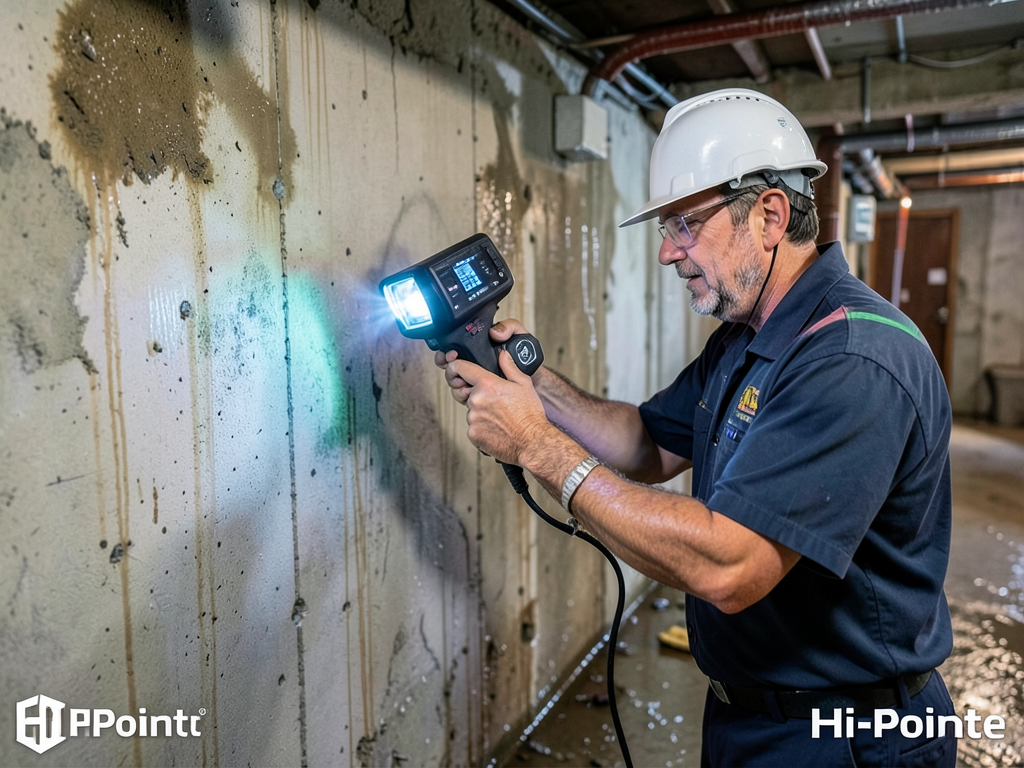
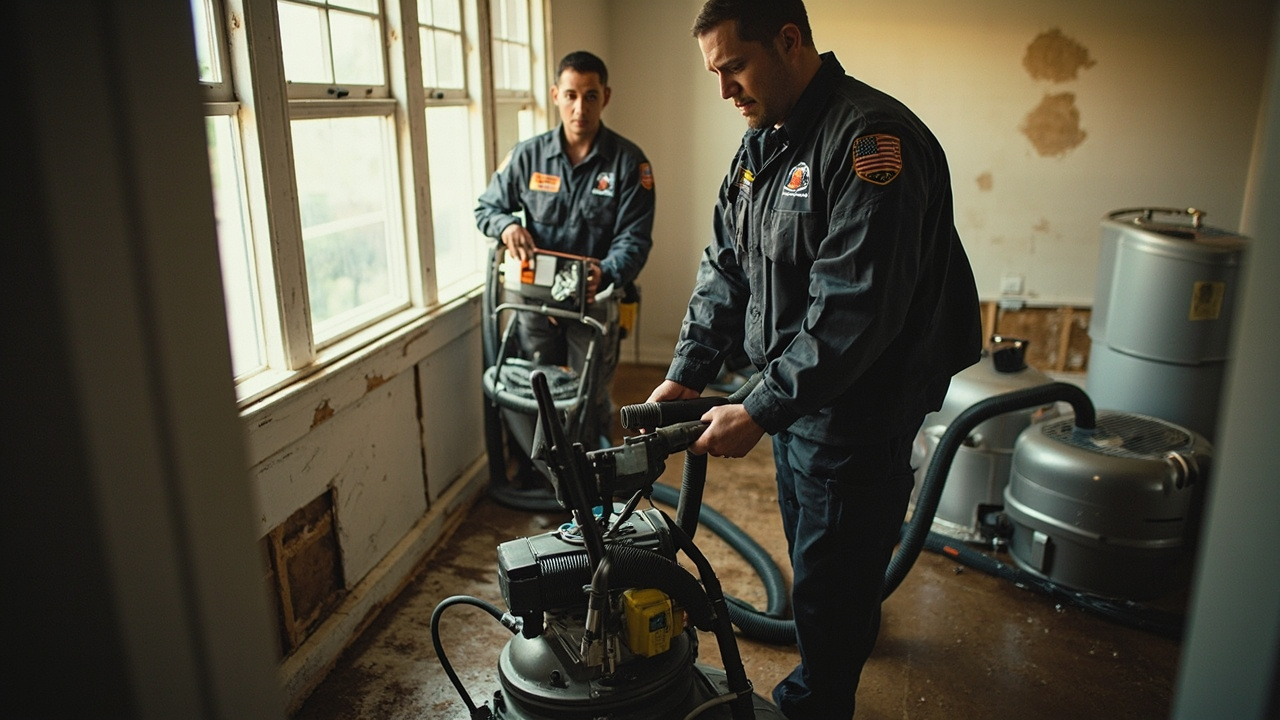
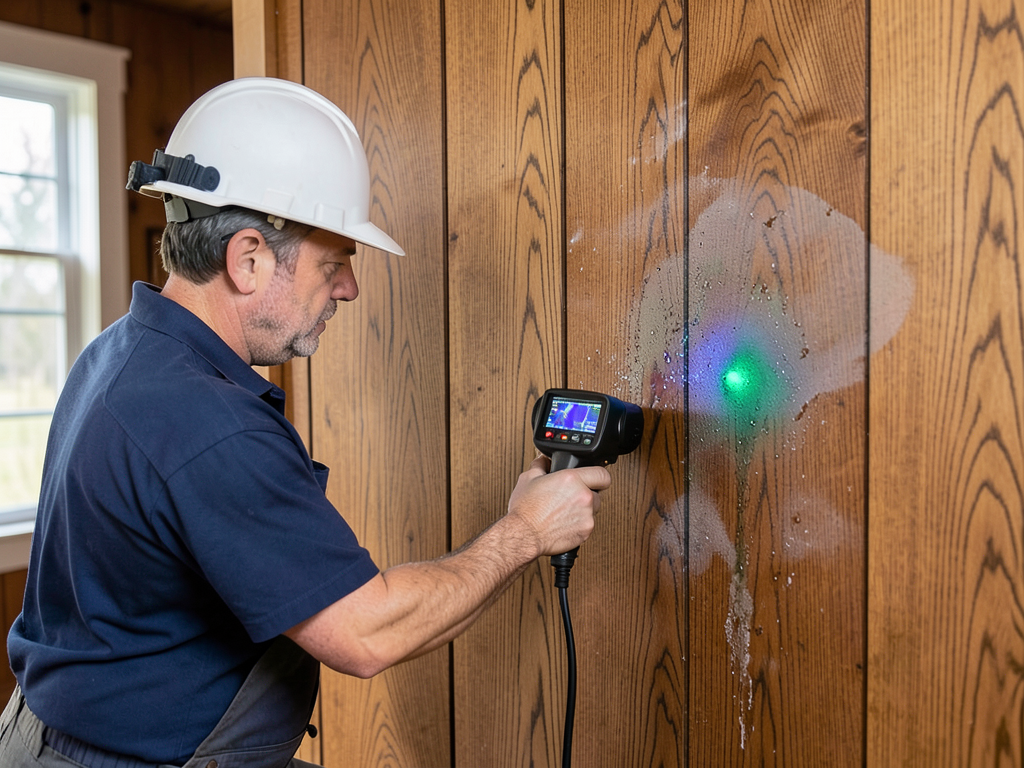
Water mitigation starts the moment you call for help. Technicians arrive with truck-mounted extractors, industrial air movers, and low-grain refrigerant dehumidifiers. They pull standing water out of carpet, pad, and subfloor. They set up drying equipment to pull moisture from studs, joists, and drywall. They measure moisture content with thermal imaging and pin-type meters. They document everything for your insurance adjuster.

Mitigation is time-sensitive. Mold spores colonize wet drywall in 24 to 48 hours. Wood studs swell and warp. Subfloors delaminate. The faster you extract water and lower the relative humidity below 60 percent, the less you rebuild later.

Water restoration begins after mitigation finishes. Once moisture readings drop to acceptable levels, reconstruction crews remove unsalvageable materials. They cut out drywall two feet above the flood line. They pull up hardwood that cupped or buckled. They replace insulation that absorbed sewage or river water. Then they rebuild. New drywall goes up. New flooring goes down. Paint, trim, and fixtures return your space to pre-loss condition.

Patriot Water Damage Restoration St. Louis handles both phases. We do not hand you off to another company after extraction. Our mitigation team and restoration crew communicate daily. Your project manager tracks moisture levels during drying and coordinates material orders during reconstruction. You get one timeline, one point of contact, and one invoice that matches your insurance estimate.

Some companies only do water cleanup. Others only do water repair. Splitting the work between vendors delays the process and creates gaps in accountability. We keep both phases under one roof so nothing falls through the cracks.

What Happens During Mitigation and Restoration

Water Mitigation vs Restoration in St. Louis – Know the Difference Before Your Insurance Claim
01

Emergency Water Extraction

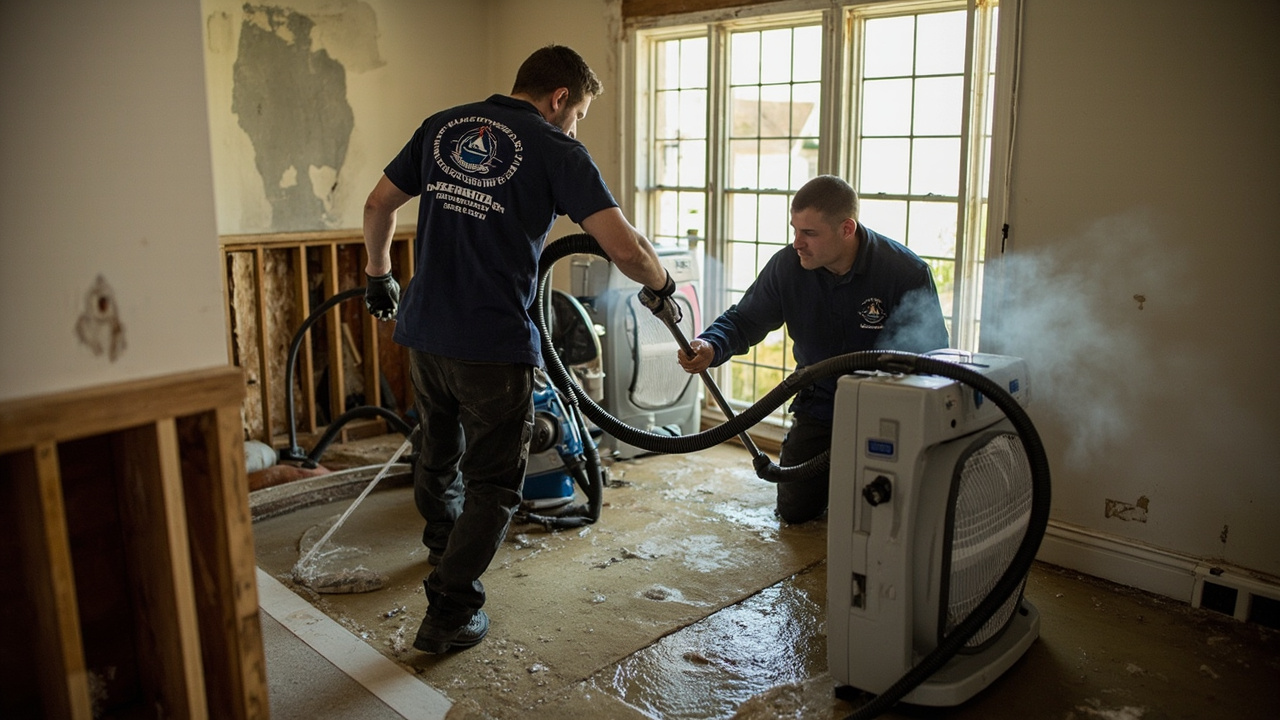
We arrive within 60 minutes of your call. Our team inspects the source, stops active water intrusion if possible, and extracts standing water using truck-mounted pumps and portable extractors. We pull soaked materials like carpet padding and move furniture to dry areas. Thermal imaging identifies hidden moisture in walls and ceilings. This is mitigation. Speed here prevents mold and structural damage.
02

Structural Drying

We place air movers and dehumidifiers throughout affected areas to pull moisture from building materials. We monitor humidity levels and moisture content daily using pin and pinless meters. Drying takes three to five days depending on the extent of saturation and outdoor humidity levels. We document readings for your insurance adjuster. This phase prevents secondary damage and prepares the structure for restoration.
03

Reconstruction and Restoration

Once moisture readings meet industry standards, we remove damaged materials and begin rebuilding. We replace drywall, insulation, flooring, and trim. We match paint colors and textures. We coordinate with plumbers or electricians if systems need repair. The goal is to return your property to pre-loss condition. This is restoration. It can take one to three weeks depending on the scope of damage.

Why St. Louis Homeowners Choose Patriot Water Damage Restoration

Most water damage companies in St. Louis subcontract restoration work. They handle mitigation, then refer you to a general contractor for repairs. That creates delays. It creates miscommunication. It creates billing confusion when your insurance adjuster asks who is responsible for what.

Patriot Water Damage Restoration St. Louis keeps the entire process in-house. Our technicians carry IICRC certifications in water damage restoration and applied structural drying. Our project managers understand Missouri building codes and St. Louis City permit requirements. We know which neighborhoods require lead-safe work practices and which sewer systems back up during heavy rain.

We work directly with your insurance company. We upload documentation to Xactimate. We attend adjuster inspections. We provide detailed line-item estimates that match your policy language. If your adjuster underestimates drying time or overlooks hidden damage, we advocate for you. We do not surprise you with bills your insurance will not cover.

St. Louis properties built before 1950 have unique challenges. Basement walls are limestone or clay tile. Floor joists are rough-cut oak. Plaster walls contain horsehair and metal lath. Restoration requires knowledge of old construction methods. You cannot just slap up drywall and call it done. We match materials and techniques to preserve the integrity of historic homes in neighborhoods like Lafayette Square and Tower Grove South.

Commercial properties need fast turnaround. A flooded restaurant loses revenue every day it stays closed. We prioritize business continuity. We work nights and weekends to minimize downtime. We coordinate with health inspectors and fire marshals to get you back online.

Choosing a local company matters. We respond faster. We understand your building. We are here after the claim closes if something goes wrong.

What to Expect During Mitigation and Restoration

Response Time and Availability

We answer emergency calls 24 hours a day, seven days a week. A live person picks up the phone, not a voicemail system. We dispatch a crew within 60 minutes to properties inside the St. Louis metro area. Mitigation begins the same day. Drying equipment runs continuously until moisture levels drop to safe ranges. Restoration scheduling depends on material availability and permit approval, but most projects start within one week of completing mitigation. We do not leave you waiting.

Inspection and Damage Assessment

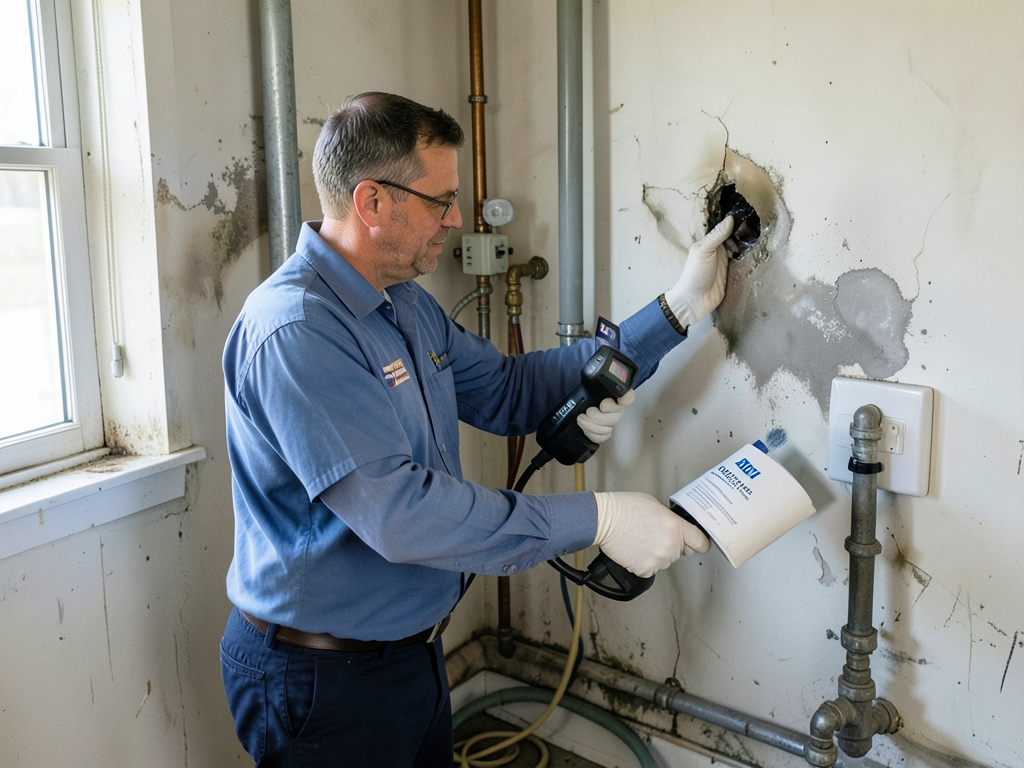
Our initial assessment identifies the source of water intrusion, classifies the type of water (clean, gray, or black), and measures the extent of saturation. We use moisture meters, thermal imaging, and visual inspection to find hidden damage in wall cavities and subfloors. We document everything with photos and detailed notes for your insurance claim. You receive a written scope of work before mitigation begins. We explain what we will dry, what we will remove, and what we will rebuild.

Quality of Workmanship

We do not cut corners during restoration. Drywall seams are taped, mudded, and sanded smooth. Paint matches the existing sheen and color. Flooring transitions align with adjacent rooms. Trim is coped, not mitered. Electrical outlets and plumbing fixtures are reinstalled to code. We inspect every detail before calling a project complete. If something does not meet your expectations, we fix it before you sign off. The goal is to make the damage invisible.

Warranty and Follow-Up

We stand behind our work. If you notice a problem after restoration finishes, call us. We return to inspect and resolve issues at no additional charge if they stem from our workmanship. We do not offer arbitrary warranty periods, but we do take responsibility for the quality of our repairs. After your project closes, we follow up within 30 days to make sure everything is working as expected. You are not abandoned the moment the final invoice is paid.

Frequently Asked Questions

You Have Questions,
We Have Answers

What is the difference between water restoration and mitigation? +

Water mitigation stops the damage immediately. It involves removing standing water, drying out affected areas, and preventing mold growth. Think of it as emergency response. Water restoration comes after mitigation and rebuilds what was damaged. This includes replacing drywall, flooring, and paint to return your property to pre-loss condition. In St. Louis, where humidity can complicate drying, mitigation must happen fast to avoid secondary damage. Most property owners need both services, but mitigation always comes first to minimize loss and control costs.

What is mitigation and restoration? +

Mitigation is the emergency phase. It stops ongoing damage from spreading. You extract water, set up dehumidifiers, remove wet materials, and stabilize the property. Restoration is the rebuild phase. You repair structural damage, replace flooring, repaint walls, and restore the property to its original state. In St. Louis homes, mitigation might take two to five days depending on humidity levels and extent of water intrusion. Restoration can take weeks. Both phases are necessary after significant water damage, but mitigation directly affects how much restoration you will need.

What is the difference between restoration and remediation? +

Restoration returns a property to its original condition after damage. You rebuild walls, replace flooring, and repaint. Remediation removes contamination or hazards like mold, sewage, or chemicals. It focuses on health and safety, not cosmetic repair. For example, if a basement floods in Soulard and mold grows on the foundation walls, you need remediation to remove the mold safely. Then you need restoration to repair the damaged walls. Remediation is specialized work requiring containment and air filtration. Restoration comes after remediation clears the hazard.

What is included in water mitigation? +

Water mitigation includes water extraction using pumps and vacuums, structural drying with industrial dehumidifiers and air movers, moisture monitoring with thermal imaging and meters, and removal of unsalvageable materials like soaked insulation or drywall. It also includes antimicrobial treatment to prevent mold growth. In St. Louis, where summer humidity can reach 70 percent, proper dehumidification is critical. Mitigation also involves documenting damage for insurance claims and creating a drying plan. The goal is to stop secondary damage and prepare the property for restoration work.

Is it hard to sell a house that has had mold remediation? +

No, if the remediation was done professionally and documented properly. Most buyers understand that mold happens, especially in older St. Louis homes with basement moisture issues. What matters is proof of professional remediation, post-remediation testing showing clearance, and repairs completed to code. You must disclose the issue, but transparency with documentation builds trust. Problems arise when homeowners hide past mold or do amateur fixes. A certified remediation company provides reports that satisfy buyer concerns and protect your sale. Proper remediation can even increase value by proving the problem is solved.

What is the average cost of water mitigation? +

Water mitigation in St. Louis typically costs between $1,500 and $6,000 depending on the water source, square footage, and material damage. A small bathroom leak costs less than a flooded basement in Clayton. Clean water is cheaper to mitigate than sewage or river water. Costs include extraction equipment, drying equipment, labor, antimicrobial treatment, and disposal of damaged materials. Most homeowners insurance policies cover mitigation costs after covered events like burst pipes or roof leaks. The faster you act, the lower your mitigation costs because damage spreads quickly.

What are the 4 types of mitigation? +

The four types of mitigation are structural mitigation, which strengthens buildings against damage, non-structural mitigation, which secures contents and systems, natural mitigation, which uses landscape features like berms, and regulatory mitigation, which enforces building codes. In water damage context, mitigation means emergency response to stop ongoing water damage. This includes extraction, drying, containment, and stabilization. The confusion comes from disaster management terminology versus water damage restoration terminology. For property owners dealing with flooding or leaks, mitigation is simply the first response to stop water from causing more damage before restoration begins.

When to call a water restoration company? +

Call a water restoration company immediately when you discover standing water, see visible water stains spreading on walls or ceilings, notice a musty odor indicating hidden moisture, or experience any plumbing failure or appliance leak. In St. Louis, also call after severe storms that cause roof leaks or basement seepage. The first 24 to 48 hours are critical. Mold can start growing within 24 hours in our humid climate. Fast response limits damage, reduces restoration costs, and improves insurance claim outcomes. Water damage spreads quickly through porous materials like drywall and insulation.

What are the two types of restoration? +

The two types of restoration are structural restoration, which repairs building components like framing, drywall, flooring, and roofing, and contents restoration, which salvages and restores personal belongings, furniture, documents, and electronics. After water damage in St. Louis homes, structural restoration addresses damage to the building itself. Contents restoration involves specialized cleaning, drying, and deodorizing of your possessions. Some items like electronics require specialized equipment and climate-controlled drying. Not all restoration companies offer both services, so ask upfront what they handle and whether contents are restored on-site or at a facility.

Do I need water mitigation? +

You need water mitigation if you have standing water, saturated materials like carpet or drywall, active leaks you cannot immediately stop, or moisture readings above normal levels. Even small leaks that seem minor can cause hidden damage in walls or under flooring. In St. Louis, where humidity already challenges drying, any water intrusion needs professional attention. Insurance companies often require documented mitigation to approve claims. Waiting causes mold growth, structural damage, and higher costs. If you question whether you need mitigation, get a free assessment. Professionals use moisture meters to detect hidden water you cannot see.

How St. Louis Humidity Levels Complicate Water Mitigation and Restoration

St. Louis averages 70 to 80 percent relative humidity during summer months. The Mississippi River and Missouri River create a moisture-rich environment that slows evaporation. When you run dehumidifiers during mitigation, the equipment works harder to pull moisture from the air because the outdoor air keeps reintroducing humidity. Drying times stretch longer than in arid climates. Mold risk increases if crews do not adjust equipment capacity to account for ambient moisture levels. Technicians must monitor grain depression, not just relative humidity, to confirm drying progress.

Local expertise matters during restoration. St. Louis building codes require specific vapor barriers in below-grade spaces. Basement waterproofing systems must meet city standards to pass inspection. Homes in floodplains near the River des Peres or Gravois Creek need additional drainage considerations during reconstruction. Hiring a company unfamiliar with these requirements leads to failed inspections and rework. Patriot Water Damage Restoration St. Louis has worked in every neighborhood from Clayton to South County. We know the codes. We know the soil. We know what works.
Water Damage Restoration Services in The St. Louis Area

We are proud to be the trusted local choice for water damage restoration across the greater St. Louis region. This map highlights our primary service zone, demonstrating our commitment to rapid, localized response across every neighborhood and business district within the area. We invite all users to view our service area and then contact us directly for immediate deployment to your specific address within the St. Louis community.

Address:
Patriot Water Damage Restoration St. Louis, 710 N Tucker Blvd, St. Louis, MO, 63101

Additional Services We Offer

Our news updates

Latest Articles & News from The Blogs

What to Do When Your Water Softener Leaks and Floods Your Affton Utility Room A leaking water softener can release…

What to Do When Your Water Softener Leaks and Floods Your Affton Utility Room

What to Do When Your Water Softener Leaks and Floods Your Affton Utility Room A leaking water softener can release…

Restoring a Water Damaged Mid-Century Modern Home in Warson Woods

Restoring a Water Damaged Mid-Century Modern Home in Warson Woods Water damage in a mid-century modern home requires specialized knowledge…

Why Your Walk-Out Basement in Hi-Pointe is Vulnerable to Heavy Rain Runoff

Why Your Walk-Out Basement in Hi-Pointe is Vulnerable to Heavy Rain Runoff Your walk-out basement in Hi-Pointe faces unique flooding…

Contact Us

Do not wait for mold to grow or for your insurance window to close. Call Patriot Water Damage Restoration St. Louis at (314) 428-9977 right now. We handle mitigation and restoration under one roof. You get faster results and fewer headaches.