menu

Risks of DIY Water Cleanup in St. Louis – Protect Your Home from Mold, Structural Damage, and Hidden Health Hazards

Understanding the dangers of DIY water damage restoration helps St. Louis homeowners avoid costly mistakes, prevent long-term structural issues, and protect their families from mold exposure and contamination.

Slider Image 1
Slider Image 2
Slider Image 3
Slider Image 4
Slider Image 5
Slider Image 7
Slider Image 8
Slider Image 9
Slider Image 10
Slider Image 11

Why DIY Water Cleanup Fails St. Louis Homeowners

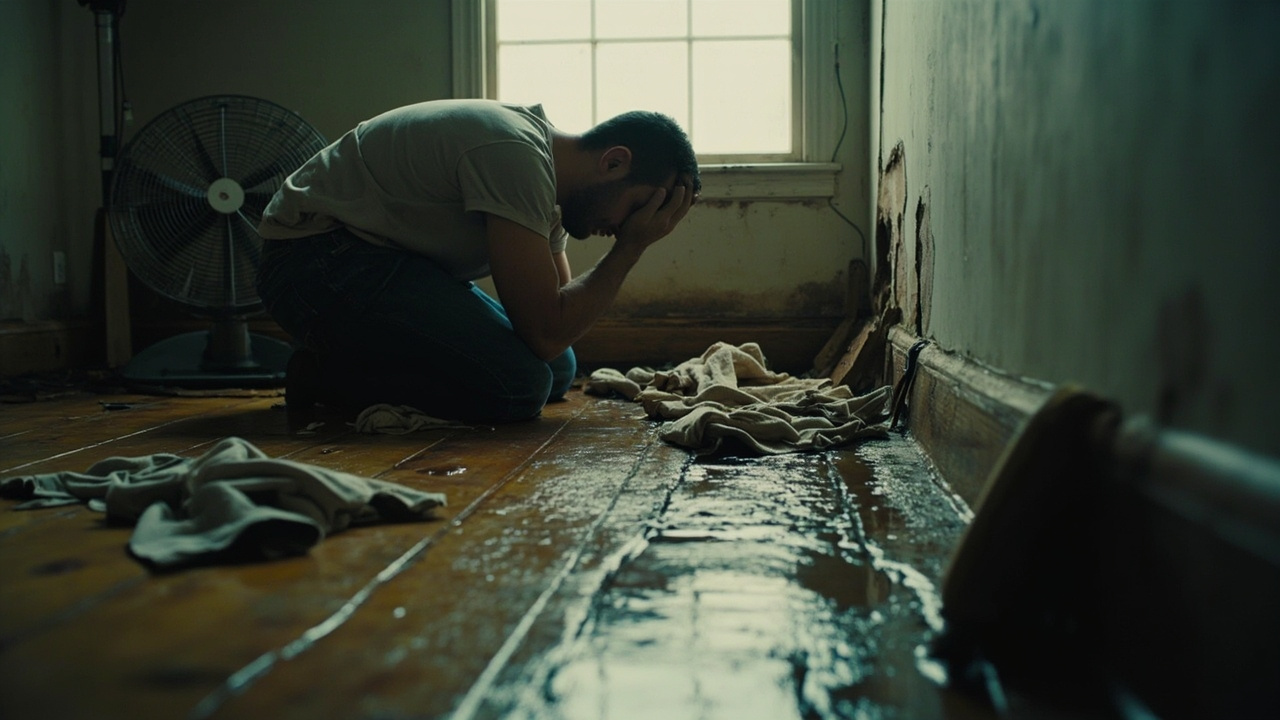
When water invades your St. Louis home, the clock starts ticking. The humidity in our region creates an environment where mold begins colonizing within 24 to 48 hours. You might think grabbing a shop vac and running fans will solve the problem, but the hazards of do-it-yourself water removal extend far beyond what you can see on the surface.

St. Louis homes, particularly those in historic neighborhoods like Soulard and Lafayette Square, feature plaster walls, hardwood subfloors, and brick foundations that absorb water differently than modern construction. Water migrates through these materials in ways that surprise homeowners. You might dry the visible carpet, but moisture wicks up inside wall cavities, behind baseboards, and under tile, creating hidden breeding grounds for microbial growth.

The consequences of amateur water cleanup become apparent weeks or months later. Black mold appears in corners. Floors begin to buckle. Drywall crumbles when you touch it. The Mississippi River's proximity means our water table sits high, and basement flooding in areas near River Des Peres or Gravois Creek often contains more than just clean water. Sewage backup, chemical contaminants, and bacteria require specific protocols that household cleaning products cannot address.

The hidden risks of self-managed water mitigation include electrical hazards from standing water near outlets, structural weakening in floor joists you cannot inspect without proper equipment, and Category 2 or Category 3 water exposure that demands protective gear and antimicrobial treatment. What looks like a simple cleanup quickly becomes a health emergency when you are working with contaminated water without respiratory protection or proper extraction tools.

The pitfalls of DIY water extraction center on incomplete moisture removal. Consumer-grade equipment cannot measure moisture content in structural materials, leaving pockets of dampness that compromise your home's integrity and your family's respiratory health.

Why DIY Water Cleanup Fails St. Louis Homeowners
How Professional Water Damage Restoration Protects Your Investment

How Professional Water Damage Restoration Protects Your Investment

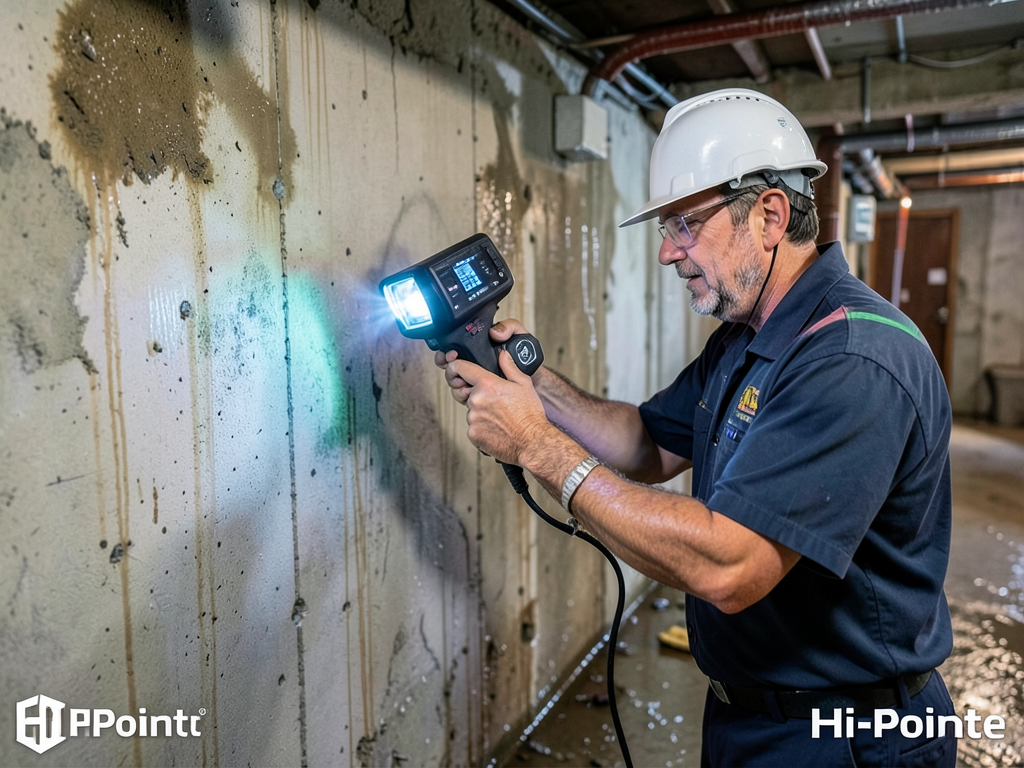
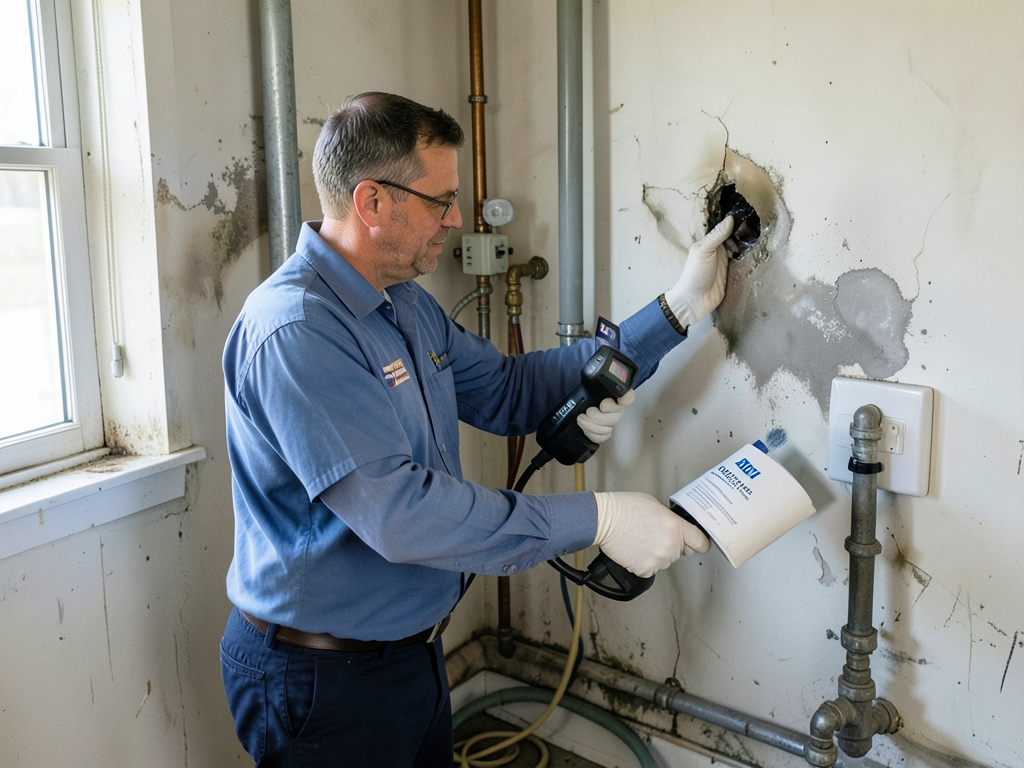
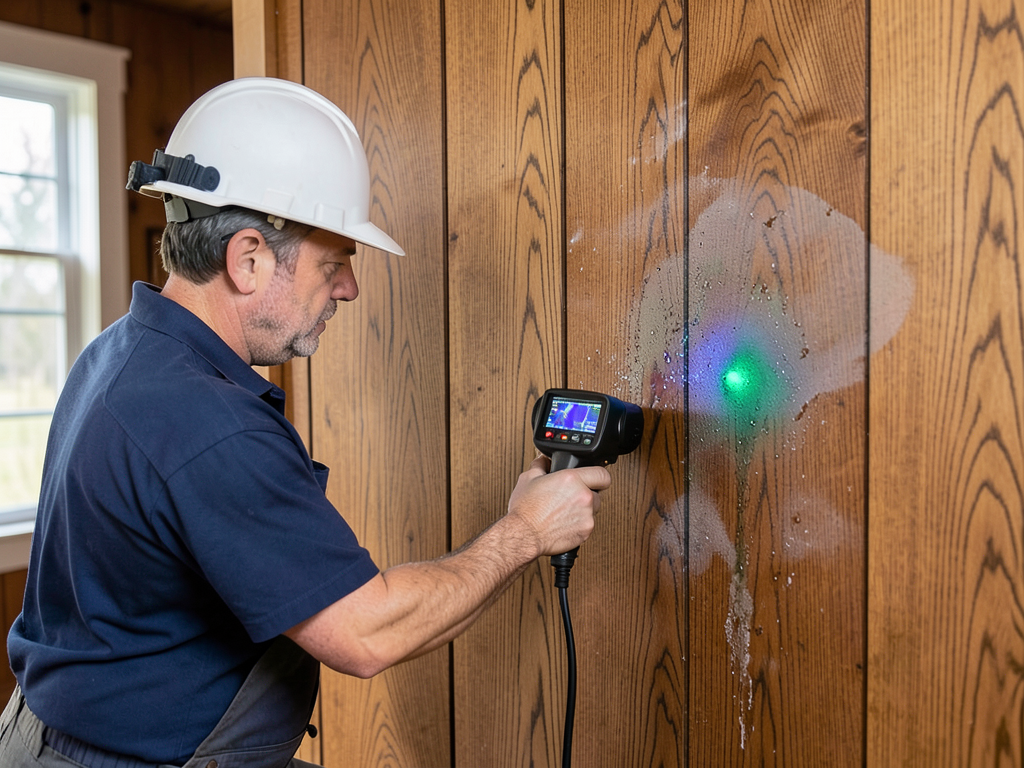
Professional water damage restoration begins with thermal imaging cameras and moisture meters that detect water you cannot see. We measure moisture content in wall studs, subfloors, and ceiling joists using pin-type and non-invasive sensors that read humidity levels inside building materials. This diagnostic phase reveals the true scope of damage before extraction begins.

Our truck-mounted extraction units remove hundreds of gallons per hour, creating negative pressure that pulls water from carpet padding, subflooring, and the soil beneath your foundation. This level of extraction power exceeds anything available at hardware stores by a factor of ten. We then position commercial air movers in a controlled airflow pattern that promotes evaporation without spreading contaminants or driving moisture deeper into wall assemblies.

Dehumidification requires industrial equipment calibrated to your home's cubic footage and the specific materials affected. We calculate grain depression and vapor pressure to create drying chambers that remove moisture at the molecular level. This process continues until moisture readings return to normal ranges, typically 24 to 72 hours depending on the category of water and affected materials.

St. Louis's clay soil expands and contracts with moisture changes, which affects foundation walls and basement floors. We monitor structural drying differently in homes with pier and beam foundations versus poured concrete slabs. Our technicians understand how water behaves in the Bedford limestone common to older St. Louis buildings and adjust drying protocols accordingly.

Antimicrobial application follows EPA guidelines for the specific contaminants present. We apply hospital-grade disinfectants to Category 3 water losses and use HEPA filtration during demolition to contain mold spores. Documentation includes moisture mapping, photographic evidence, and daily monitoring logs that insurance carriers require for claim processing. This systematic approach eliminates guesswork and prevents the secondary damage that occurs when moisture remains trapped in building assemblies.

What Happens During Professional Water Damage Assessment and Remediation

Risks of DIY Water Cleanup in St. Louis – Protect Your Home from Mold, Structural Damage, and Hidden Health Hazards
01

Emergency Response and Assessment

We arrive within hours of your call to stop additional water intrusion and assess safety hazards. Our technicians inspect electrical systems, identify the water source, and classify the contamination level. We use moisture detection equipment to map affected areas and document damage with thermal imaging. This initial assessment determines the extraction strategy and identifies materials that require removal versus those that can be dried in place.
02

Water Extraction and Drying

Truck-mounted extractors remove standing water before we position air movers and commercial dehumidifiers to create optimal drying conditions. We monitor temperature, humidity, and moisture content every 12 hours, adjusting equipment placement as readings change. Drying chambers contain airflow to prevent cross-contamination. We calculate drying goals based on material type and moisture saturation levels, ensuring complete evaporation before declaring the structure dry.
03

Restoration and Prevention

After confirming dry conditions through final moisture readings, we apply antimicrobial treatments and begin reconstruction. This includes replacing damaged drywall, insulation, and flooring materials that cannot be salvaged. We coordinate with your insurance carrier throughout the process and provide recommendations to prevent future water intrusion. Final documentation includes before and after photos, equipment logs, and moisture readings that verify complete remediation.

Why St. Louis Property Owners Choose Patriot Water Damage Restoration

St. Louis experiences weather extremes that create unique water damage challenges. Spring flooding along the Meramec River affects homes in Valley Park and Fenton. Summer storms with intense rainfall overwhelm gutters and drainage systems. Winter freeze-thaw cycles burst pipes in crawl spaces and attics. We respond to these conditions daily and understand how they impact different construction types across the metro area.

Our technicians train on IICRC standards for water damage restoration and apply this knowledge to St. Louis's specific building stock. We know that homes in Webster Groves feature different foundation systems than newer construction in St. Charles County. We adjust our approach based on whether you have a historic brick home in the Central West End or a ranch-style property in South County.

Insurance companies recognize our documentation standards and claims processing procedures. We photograph damage progression, maintain chain-of-custody logs for removed materials, and provide line-item estimates that adjusters can review efficiently. This streamlines your claim and reduces the back-and-forth that delays repairs.

Local codes in St. Louis County require specific permits for structural repairs following water damage. We handle permit applications and coordinate inspections so you do not navigate city departments while dealing with a damaged home. Our relationships with local building officials expedite the approval process.

Equipment availability matters during emergencies. We maintain an inventory of commercial extractors, air movers, and dehumidifiers that allows us to respond to multiple jobs simultaneously. When storms cause widespread flooding, you do not wait days for equipment to arrive from another region.

The dangers of DIY water damage restoration multiply when you lack the proper tools and knowledge to assess hidden damage. We see the aftermath when homeowners attempt cleanup without professional equipment. By the time they call us, mold has spread, floors have warped, and remediation costs have tripled. Choosing professional restoration from the start protects your home and your investment.

What to Expect When You Call for Professional Water Damage Restoration

24-Hour Emergency Response

Water damage does not wait for business hours. We dispatch technicians around the clock, arriving at your St. Louis property within hours of your call. Our emergency response team brings extraction equipment, moisture detection tools, and safety gear to begin mitigation immediately. We work overnight and on weekends to prevent secondary damage, understanding that every hour of delay increases restoration costs and health risks. You receive a direct phone line to your project manager who coordinates the entire restoration process from initial response through final repairs.

Thorough Damage Assessment

Our initial inspection goes beyond surface-level observation. We use thermal imaging cameras to detect temperature variations that indicate moisture behind walls and ceilings. Moisture meters measure water content in wood framing, drywall, and concrete. We test for contamination levels and classify the water category to determine proper handling procedures. This assessment creates a detailed scope of work that outlines affected areas, required equipment, and estimated timeline. You receive documentation with photos and moisture readings that insurance carriers need for claim approval. We explain findings in clear terms so you understand exactly what happened and what repairs your home requires.

Complete Structural Drying

Drying your home properly requires more than running fans. We calculate the specific airflow and dehumidification needed based on your home's square footage, affected materials, and outdoor humidity levels. Commercial air movers create circulation patterns that promote evaporation from carpets, walls, and subflooring. Industrial dehumidifiers remove moisture from the air before it re-absorbs into building materials. We monitor conditions twice daily and adjust equipment placement as moisture levels drop. Drying continues until moisture readings match unaffected areas of your home. This process typically takes three to five days but varies based on damage extent and material types affected.

Post-Restoration Verification

We do not consider the job complete until final moisture readings confirm your home has returned to normal conditions. After reconstruction, we provide documentation showing the progression from initial damage through completed repairs. This includes equipment logs, daily moisture readings, and photos at each restoration phase. You receive recommendations for preventing future water damage based on what caused the initial loss. We explain proper humidity levels for St. Louis homes and identify potential vulnerabilities in your plumbing, drainage, or weatherproofing. Our goal extends beyond fixing current damage to helping you avoid future losses through education and practical maintenance guidance.

Frequently Asked Questions

You Have Questions,
We Have Answers

How St. Louis Humidity and Clay Soil Amplify Water Damage Risks

St. Louis sits at the confluence of the Mississippi and Missouri Rivers, creating year-round humidity levels that accelerate mold growth following water intrusion. Summer humidity regularly exceeds 70 percent, which means building materials remain damp longer after flooding or pipe bursts. Our clay soil retains moisture and expands against foundation walls, creating hydrostatic pressure that forces water through basement floors and cracks. This combination of high ambient humidity and soil saturation means water damage in St. Louis properties progresses faster and penetrates deeper than in arid climates. The hidden risks of self-managed water mitigation multiply here because you cannot simply dry the surface and assume the problem is solved.

We work with St. Louis County building inspectors and understand local code requirements for water damage repairs. Many historic neighborhoods have preservation guidelines that affect how we restore damaged materials. Our technicians know which repairs require permits and how to document work for city inspections. This local knowledge prevents delays and ensures repairs meet both safety standards and historic district requirements. When you hire a restoration company unfamiliar with St. Louis regulations, you risk failed inspections, permit violations, and insurance claim denials. We navigate these local requirements daily, protecting your investment and ensuring compliant, quality restoration work.
Water Damage Restoration Services in The St. Louis Area

We are proud to be the trusted local choice for water damage restoration across the greater St. Louis region. This map highlights our primary service zone, demonstrating our commitment to rapid, localized response across every neighborhood and business district within the area. We invite all users to view our service area and then contact us directly for immediate deployment to your specific address within the St. Louis community.

Address:
Patriot Water Damage Restoration St. Louis, 710 N Tucker Blvd, St. Louis, MO, 63101

Additional Services We Offer

Our news updates

Latest Articles & News from The Blogs

What to Do When Your Water Softener Leaks and Floods Your Affton Utility Room A leaking water softener can release…

What to Do When Your Water Softener Leaks and Floods Your Affton Utility Room

What to Do When Your Water Softener Leaks and Floods Your Affton Utility Room A leaking water softener can release…

Restoring a Water Damaged Mid-Century Modern Home in Warson Woods

Restoring a Water Damaged Mid-Century Modern Home in Warson Woods Water damage in a mid-century modern home requires specialized knowledge…

Why Your Walk-Out Basement in Hi-Pointe is Vulnerable to Heavy Rain Runoff

Why Your Walk-Out Basement in Hi-Pointe is Vulnerable to Heavy Rain Runoff Your walk-out basement in Hi-Pointe faces unique flooding…

Contact Us

Call Patriot Water Damage Restoration St. Louis now at (314) 428-9977 for immediate response. Our technicians are standing by with the equipment and expertise to protect your property from the dangers of untreated water damage.