
Choosing the Most Flood-Resistant Building Materials for Your St. Louis Basement Remodel
Water finds its way into St. Louis basements through clay-heavy Missouri soil that expands and contracts with moisture. A finished basement in the Gateway City needs materials that resist water damage rather than just looking good. The right choices can save thousands in repairs when the next heavy rain hits or a pipe bursts. EPA flood information.
Flood-resistant materials work differently than water-resistant ones. Water-resistant products might handle occasional dampness. Flood-proof materials survive full submersion without structural damage. This guide covers materials that stand up to St. Louis’s specific challenges including high humidity, freeze-thaw cycles, and the Mississippi River floodplain. How to Get Your St. Louis Home Insurance to Actually Pay for Water Damage.
The St. Louis area sits on Missouri Red Clay that holds moisture and puts pressure on foundation walls. Combined with aging MSD sewer lines and frequent thunderstorms, basements here face unique risks. Choosing the right materials means understanding these local conditions first.
Understanding Basement Flooding in St. Louis
St. Louis basements flood from multiple sources. Heavy rain overwhelms combined sewer-stormwater systems in older city wards. The clay soil expands when wet, creating hydrostatic pressure that forces water through foundation cracks. Spring thunderstorms bring flash flooding to the Missouri River basin. Winter freeze-thaw cycles cause pipe bursts in homes built before modern insulation standards. Professional Water Extraction and Drying for St. Charles Residents.
The Metropolitan Sewer District regulates drainage in St. Louis County. Local building codes require specific waterproofing measures for basement remodels. Homes in flood zones need additional protection like FEMA-approved flood vents. Understanding these requirements helps choose materials that meet code and actually protect your investment. FEMA flood insurance.
Clay soil acts like a sponge. When it gets wet, it expands and pushes against foundation walls. This hydrostatic pressure forces water through the smallest cracks. Over time, this pressure causes bowing walls and foundation damage. Flood-proof materials need to handle both water exposure and the physical pressure from surrounding soil. Water Damage Restoration Manchester.
Water-Resistant vs. Flood-Proof Materials
Water-resistant materials handle occasional moisture but fail during actual flooding. They might include vapor barriers, water-resistant drywall, or treated lumber. These products slow water penetration but eventually break down. Flood-proof materials survive complete submersion without losing structural integrity.. Read more about Managing Water Infiltration in the Unique Brick Foundations of Bevo Mill Homes.
Flood-proof materials share common traits. They resist mold growth since they don’t provide food for fungi. They dry quickly after water exposure. They maintain strength when wet. They clean easily after contamination. Understanding these properties helps evaluate which products truly protect your basement.. Read more about Why a Battery Backup is the Only Way to Truly Protect Your St. Peters Basement from Sump Pump Failure.
Permeability ratings measure how much water passes through materials. Lower numbers mean better flood resistance. Inorganic materials like concrete, ceramic, and certain plastics have permeability ratings near zero. Organic materials like wood and paper-based products absorb water and promote mold growth. Efflorescence on Concrete.
Flood-Proof Flooring Options for St. Louis Basements
Basement flooring faces constant moisture threats. Clay soil moisture migrates through concrete slabs. Humidity condenses on cool basement surfaces. Plumbing leaks happen in finished spaces. The best flooring materials handle all these challenges while providing comfort and style.. Read more about The Best Humidity Levels for Maintaining a Healthy Basement Gym in Grand Center.
Polished concrete ranks among the most flood-resistant flooring options. The dense surface resists water penetration. It handles heavy loads without damage. It cleans easily after flooding. The main drawback is hardness underfoot, but area rugs can add comfort without sacrificing flood protection.. Read more about Managing Water Damage and Moisture in Your Mount Pleasant Guest House or ADU.
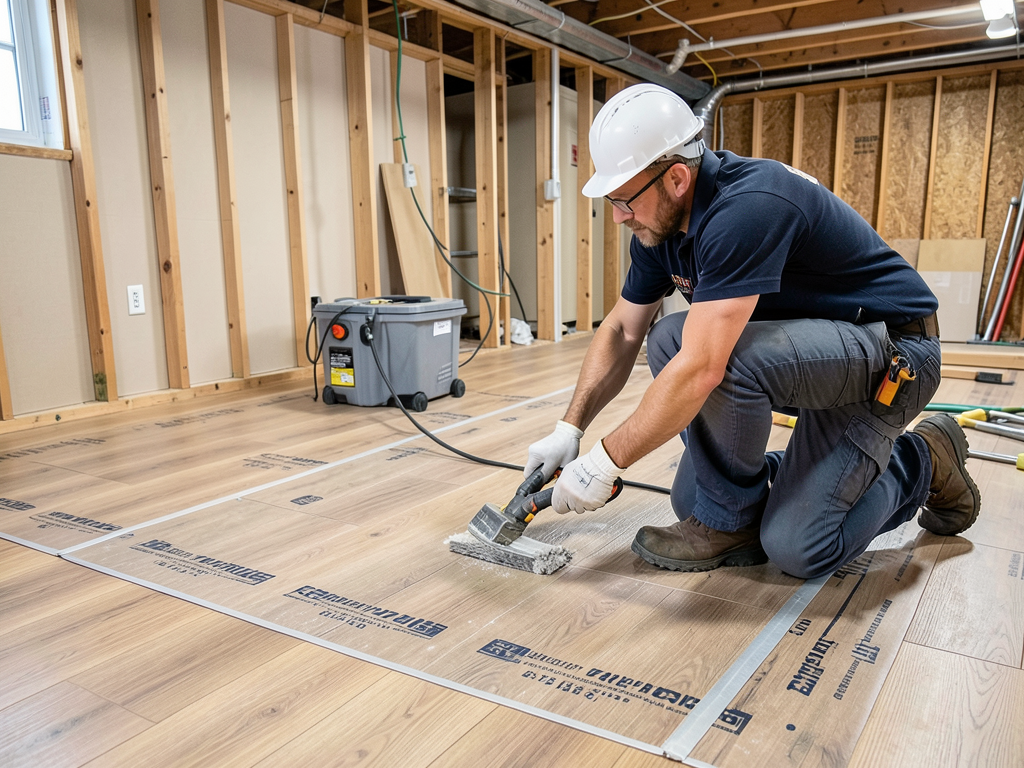
Luxury Vinyl Plank (LVP) offers wood-like appearance with excellent water resistance. Quality LVP products feature waterproof cores and tight locking systems. They handle brief submersion without delamination. However, flooding can force water under planks through seams. Proper installation with sealed edges improves performance.
Ceramic and porcelain tile provide superior flood resistance. These materials withstand complete submersion without damage. Grout lines can allow some water penetration, but inorganic mortars and proper sealing minimize this risk. Tile works well with radiant heating systems for added comfort.
| Material | Flood Resistance | Cost Range | Best Use |
|---|---|---|---|
| Polished Concrete | Excellent | $3-8 per sq ft | Utility spaces, modern designs |
| Luxury Vinyl Plank | Very Good | $2-7 per sq ft | Living areas, bedrooms |
| Ceramic/Porcelain Tile | Excellent | $5-15 per sq ft | Bathrooms, kitchens, high-traffic areas |
Wall Materials That Survive Submersion
Traditional drywall becomes a mold factory after flooding. The paper facing provides food for mold spores. The gypsum core absorbs water and loses strength. Flood-proof wall materials use inorganic components that resist moisture damage and mold growth.. Read more about Steps to Take After a Major Toilet Overflow in Your LaSalle Park Bathroom.
Cement board offers excellent flood resistance. Made from Portland cement and fiberglass mesh, it doesn’t absorb water or support mold growth. It maintains structural integrity after complete submersion. The rough surface requires special finishing, but it provides a solid base for tile or paint.
Closed-cell spray foam insulation outperforms fiberglass batts in flood-prone areas. The closed-cell structure resists water absorption. It maintains insulating properties when wet. It provides structural support to walls. Most importantly, it doesn’t trap moisture like fiberglass does after flooding.
Magnesium oxide board represents newer technology in flood-proof construction. This material resists water, fire, and mold. It installs like drywall but handles flooding without damage. The main drawback is higher cost and limited availability compared to traditional materials.
Moisture-resistant wall panels made from PVC or composite materials offer good flood protection. These panels install quickly and clean easily after water exposure. They work well for basement recreation rooms or workshops where appearance matters less than function.
Essential Mechanical Systems for Flood Protection
Even the best materials fail without proper mechanical protection. Sump pumps form the first line of defense against basement flooding. A single pump risks failure during power outages or mechanical breakdown. Dual sump pump systems with battery backups provide redundancy when you need it most.
French drains collect water before it enters your basement. These systems channel groundwater away from foundation walls. Interior perimeter drains work with sump pumps to manage water that penetrates the foundation. Proper grading directs surface water away from your home’s foundation.
Backwater valves prevent sewage backup during heavy rain. When MSD systems overflow, these valves close automatically. This protection costs less than cleaning up a sewage backup. Many St. Louis homes built before 1980 lack this protection and face high flood risk.
Dehumidifiers control basement humidity levels. High humidity promotes mold growth even without flooding. A properly sized dehumidifier maintains relative humidity below 60%. This level inhibits mold growth and protects flood-resistant materials from moisture damage.
Cost-Benefit Analysis for St. Louis Residents
Flood-proofing materials cost more upfront but save money long-term. Average water damage restoration in Missouri costs $2,700-$7,500 depending on damage extent. Flood-proof materials often survive flooding with just cleaning instead of replacement. This difference can save thousands per incident.
Insurance premiums reflect flood risk. Homes with flood-resistant features often qualify for lower rates. The savings accumulate over time. Some flood-proofing measures like backwater valves might qualify for MSD rebates or tax incentives in St. Louis County.. Read more about Saving Your Custom Wine Cellar from Basement Seepage in Frontenac.
Material longevity affects total cost. Flood-proof materials last decades longer than water-sensitive alternatives. Concrete floors can last the building’s lifetime. Quality tile installations often exceed 50 years. This durability spreads the initial investment over many years of service.
Property value increases with flood protection. Buyers pay premiums for homes with documented flood resistance. Finished basements using flood-proof materials appeal to safety-conscious buyers. This added value can offset much of the initial investment.. Read more about A Safety Checklist for Moving Your Family Back Home After a Major Flood.
Installation Considerations and Best Practices
Material selection matters less than proper installation. Even flood-proof materials fail with poor installation. Water can penetrate through gaps, seams, and improper seals. Professional installation ensures materials perform as designed.
Proper substrate preparation prevents failures. Concrete slabs need moisture testing before flooring installation. Walls require cleaning and repair before applying flood-proof materials. Skipping these steps invites future problems regardless of material quality.
Sealing penetrations prevents water intrusion. Plumbing, electrical, and HVAC penetrations through flood-proof materials need proper sealing. Use marine-grade sealants or mechanical seals designed for wet environments. Pay special attention to areas where dissimilar materials meet.
Maintaining flood protection systems ensures long-term performance. Sump pumps need annual testing. Dehumidifiers require filter changes. Drainage systems need occasional cleaning. These maintenance tasks prevent the gradual failures that lead to major flooding.
Post-Flood Maintenance and Recovery
Flood-proof materials still need care after water exposure. Clean surfaces with antimicrobial solutions to prevent mold growth. Check for hidden moisture in wall cavities or under flooring. Use moisture meters to verify complete drying before rebuilding damaged areas.
Document flood damage for insurance purposes. Take photos before cleanup begins. Keep samples of damaged materials. Contact your insurance company immediately after flooding. Some policies require specific documentation for water damage claims.
Evaluate system performance after flooding. Did sump pumps activate properly? Did drainage systems handle the water load? Use this information to improve protection before the next storm. Flood events reveal weaknesses in your current setup.
Consider professional inspection after major flooding. Water can damage structural components without visible signs. A qualified inspector can identify hidden damage before it becomes a safety hazard. This inspection helps plan repairs and improvements.
Local Building Codes and Regulations
St. Louis County requires permits for basement finishing projects. The building code mandates specific waterproofing measures based on soil conditions and flood risk. Homes in designated flood zones need additional protection like elevated utilities and flood vents.
MSD regulations affect drainage system design. Local codes require proper connection to municipal storm sewers where available. Properties with combined sewer systems need special consideration for drainage design. Violating these regulations can result in fines and required system removal.
Historic district guidelines may restrict material choices. Neighborhoods like Soulard and Lafayette Square have specific requirements for exterior modifications. Always check with local preservation boards before starting basement projects in historic areas. Removing Mold from Historic Central West End Homes Without Damaging the Architecture.
Electrical codes require GFCI protection in basements. This protection prevents shock hazards in damp environments. HVAC systems need proper sizing for basement conditions. These code requirements ensure safety and system efficiency.
Making the Right Choice for Your Home
Choose materials based on your specific situation. Consider your home’s age, location, and flood history. Evaluate your budget and how long you plan to stay in the home. Balance initial costs against long-term benefits and peace of mind.
Consult with local professionals who understand St. Louis conditions. They can recommend materials proven in local soil and weather conditions. They know local codes and can ensure your project meets all requirements.
Start with a professional assessment of your current basement conditions. This evaluation identifies existing problems and helps prioritize improvements. It also reveals opportunities for better flood protection that you might not notice.
Remember that flood protection involves more than just materials. Proper drainage, mechanical systems, and maintenance all contribute to basement protection. A comprehensive approach provides the best defense against water damage.
Frequently Asked Questions
What’s the most flood-resistant flooring for basements?
Polished concrete and ceramic tile offer the best flood resistance. Both materials withstand complete submersion without damage. Luxury vinyl plank provides good protection with a more finished appearance, though it can allow some water penetration at seams.
How much does flood-proofing a basement cost?
Flood-proofing costs vary widely based on materials and extent. Basic improvements might cost $2,000-5,000. Complete flood-resistant basement finishing can exceed $30,000. Compare these costs against potential water damage repairs that often range from $2,700-7,500 per incident.
Do I need permits for flood-proofing work?
Yes, St. Louis County requires permits for most basement finishing work. The permits ensure compliance with local building codes and MSD regulations. Work without permits can result in fines and required removal of non-compliant improvements.
Can I install flood-proof materials myself?
Some flood-proof materials install easily, but proper installation often requires professional expertise. Incorrect installation can create gaps that allow water intrusion. Professional installers understand local conditions and building codes, ensuring your investment provides actual protection.
How do I maintain flood protection systems?
Test sump pumps quarterly by pouring water into the pit. Clean French drains annually to prevent clogging. Replace dehumidifier filters as recommended. Check backwater valves for proper operation before rainy seasons. Regular maintenance prevents system failures during critical times.
Get Professional Help for Your Basement Remodel
Choosing flood-resistant materials requires understanding local conditions and building codes. A professional assessment can identify your specific risks and recommend appropriate solutions. Don’t wait until after flooding damages your basement to make these important decisions.
Call (314) 428-9977 today to schedule your basement assessment. Our team understands St. Louis’s unique challenges and can recommend flood-proof materials that protect your investment. We’ll help you create a beautiful, durable basement that stands up to Missouri’s weather.
Don’t let the next storm damage your finished basement. Pick up the phone and call (314) 428-9977 before the next heavy rain hits. We’re ready to help you make smart choices for long-term protection.
You may also find this helpful. Restoring Your High-End Home Theater After Water Damage in Huntleigh.
You may also find this helpful. Protecting Your Botanical Heights Garden Apartment from Street Level Flash Flooding.
{
“@context”: “https://schema.org”,
“@type”: “BlogPosting”,
“headline”: “Choosing the Most Flood-Resistant Building Materials for Your St. Louis Basement Remodel”,
“description”: “Protect your St. Louis basement from flooding with flood-proof materials. Learn which flooring, walls, and systems resist water damage in Missouri’s clay-heavy soil.”,
“wordCount”: 2118,
“datePublished”: “2026-05-24T11:16:00.000Z”,
“dateModified”: “2026-05-24T11:16:00.000Z”,
“inLanguage”: “en-US”,
“mainEntityOfPage”: {
“@type”: “WebPage”,
“@id”: “https://patriotwaterdamagerestorationstlouis.com”
},
“publisher”: {
“@type”: “LocalBusiness”,
“name”: “Patriot Water Damage Restoration St. Louis”,
“url”: “https://patriotwaterdamagerestorationstlouis.com”
},
“author”: {
“@type”: “Organization”,
“name”: “Patriot Water Damage Restoration St. Louis”,
“url”: “https://patriotwaterdamagerestorationstlouis.com”
},
“image”: {
“@type”: “ImageObject”,
“url”: “https://patriotwaterdamagerestorationstlouis.com/wp-content/uploads/2026/03/choosing-the-most-flood-resistant-building-materia-1.png”
}
}
{
“@context”: “https://schema.org”,
“@type”: “LocalBusiness”,
“name”: “Patriot Water Damage Restoration St. Louis”,
“url”: “https://patriotwaterdamagerestorationstlouis.com”,
“address”: {
“@type”: “PostalAddress”,
“addressLocality”: “St. Louis”
},
“areaServed”: {
“@type”: “City”,
“name”: “St. Louis”
}
}
{
“@context”: “https://schema.org”,
“@type”: “FAQPage”,
“mainEntity”: [
{
“@type”: “Question”,
“name”: “What’s the most flood-resistant flooring for basements?”,
“acceptedAnswer”: {
“@type”: “Answer”,
“text”: “Polished concrete and ceramic tile offer the best flood resistance. Both materials withstand complete submersion without damage. Luxury vinyl plank provides good protection with a more finished appearance, though it can allow some water penetration at seams.”
}
},
{
“@type”: “Question”,
“name”: “How much does flood-proofing a basement cost?”,
“acceptedAnswer”: {
“@type”: “Answer”,
“text”: “Flood-proofing costs vary widely based on materials and extent. Basic improvements might cost $2,000-5,000. Complete flood-resistant basement finishing can exceed $30,000. Compare these costs against potential water damage repairs that often range from $2,700-7,500 per incident.”
}
},
{
“@type”: “Question”,
“name”: “Do I need permits for flood-proofing work?”,
“acceptedAnswer”: {
“@type”: “Answer”,
“text”: “Yes, St. Louis County requires permits for most basement finishing work. The permits ensure compliance with local building codes and MSD regulations. Work without permits can result in fines and required removal of non-compliant improvements.”
}
},
{
“@type”: “Question”,
“name”: “Can I install flood-proof materials myself?”,
“acceptedAnswer”: {
“@type”: “Answer”,
“text”: “Some flood-proof materials install easily, but proper installation often requires professional expertise. Incorrect installation can create gaps that allow water intrusion. Professional installers understand local conditions and building codes, ensuring your investment provides actual protection.”
}
},
{
“@type”: “Question”,
“name”: “How do I maintain flood protection systems?”,
“acceptedAnswer”: {
“@type”: “Answer”,
“text”: “Test sump pumps quarterly by pouring water into the pit. Clean French drains annually to prevent clogging. Replace dehumidifier filters as recommended. Check backwater valves for proper operation before rainy seasons. Regular maintenance prevents system failures during critical times.”
}
}
]
}
{
“@context”: “https://schema.org”,
“@type”: “BreadcrumbList”,
“itemListElement”: [
{
“@type”: “ListItem”,
“position”: 1,
“name”: “Home”,
“item”: “https://patriotwaterdamagerestorationstlouis.com”
},
{
“@type”: “ListItem”,
“position”: 2,
“name”: “Blog”,
“item”: “https://patriotwaterdamagerestorationstlouis.com/blog”
},
{
“@type”: “ListItem”,
“position”: 3,
“name”: “Choosing the Most Flood-Resistant Building Materials for Your St. Louis Basement Remodel”
}
]
}
{
“@context”: “https://schema.org”,
“@type”: “Service”,
“serviceType”: “Water Damage Restoration”,
“provider”: {
“@type”: “LocalBusiness”,
“name”: “Patriot Water Damage Restoration St. Louis”,
“url”: “https://patriotwaterdamagerestorationstlouis.com”
},
“areaServed”: {
“@type”: “City”,
“name”: “St. Louis”
},
“description”: “Protect your St. Louis basement from flooding with flood-proof materials. Learn which flooring, walls, and systems resist water damage in Missouri’s clay-heavy soil.”
}