
What to Do When Your Sump Pump Fails During a St. Louis Thunderstorm
St. Louis thunderstorms dump 1-3 inches of rain in under an hour during peak season. That volume quickly saturates our clay-heavy soil, creating hydrostatic pressure against basement walls. When your sump pump can’t keep up, water finds every crack and seam. The first 24 hours after flooding determine whether you’ll face minor cleanup or major mold remediation. Groundwater from St. Louis soil carries bacteria and minerals that accelerate wood rot and concrete deterioration. Quick action prevents thousands in secondary damage. St. Louis County Water Quality Information.
Immediate Emergency Steps
- Electrical Safety First
Locate your main breaker panel and shut off power to the basement. Water conducts electricity through concrete floors. Never step into standing water until power is off.. Read more about Professional Water Extraction and Drying for St. Charles Residents.
- Stop the Water Source
If the failure is mechanical, check for tripped breakers or jammed float switches. For power outages, verify if neighbors have power to determine if it’s a local issue.
- Document Everything
Take photos and videos before touching anything. Insurance companies require proof of pre-cleanup conditions. Focus on water levels, affected items, and structural damage.. Read more about Discreet and Rapid Water Restoration for Ladue Estates.
- Extract Standing Water
Use a wet vac or buckets for small amounts. For deeper flooding, professional extraction equipment removes water 10x faster than consumer tools.. Read more about Expert Help for Basement Flooding in the Central West End.
Our St. Louis Water Extraction Process
Professional restoration goes beyond pumping out water. St. Louis basements require specialized drying because our humid climate prevents natural evaporation. The process takes 3-5 days depending on saturation levels. St. Louis County StormReady Plan.
Step 1: Inspection and Assessment
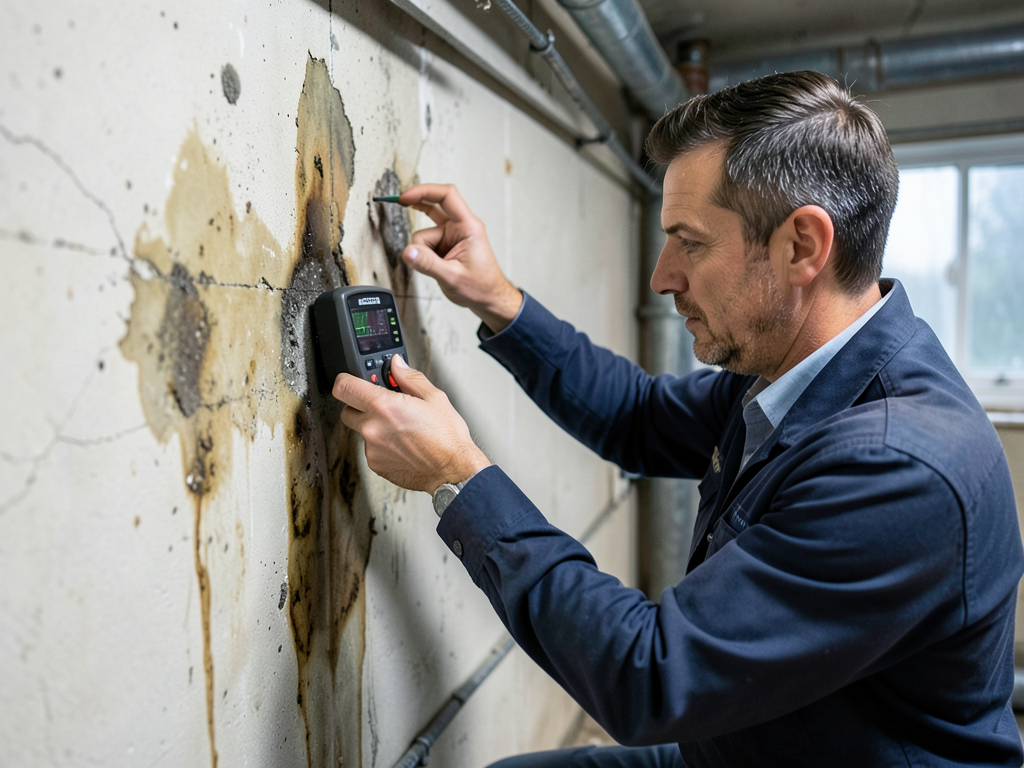
Technicians use moisture meters and infrared cameras to map water migration. Water travels through concrete capillaries and wicks up drywall. We identify Category 3 contamination from groundwater, which requires different treatment than clean water.. Read more about How to Get the Water Out of Your Flooded St. Louis Basement Fast.
Step 2: Water Removal
Industrial pumps extract water at 100+ gallons per minute. Truck-mounted units create powerful vacuum pressure that pulls water from carpet padding and subfloors. This step prevents water from seeping deeper into structural materials.
Step 3: Drying and Dehumidification
High-volume air movers create evaporation across wet surfaces. Commercial dehumidifiers remove 20-30 gallons of moisture daily from the air. Without this equipment, St. Louis humidity keeps materials damp for weeks, promoting mold growth.. Read more about How to Get Your St. Louis Home Insurance to Actually Pay for Water Damage.
Step 4: Sanitization
EPA-registered antimicrobials kill bacteria from groundwater. We apply treatments to all affected surfaces, including areas that appear dry but absorbed contaminated water. This prevents odor and health issues.
Common Causes of Sump Pump Failure in Missouri
Understanding failure patterns helps prevent future incidents. St. Louis homes face unique challenges from our climate and soil conditions.
Power Outages During Storms
Midwest thunderstorms often knock out electricity. Standard pumps fail immediately without power. Battery backup systems provide 8-12 hours of protection, but severe outages can last days.. Read more about Storm Damage and Roof Leak Restoration for Wildwood Properties.
Overwhelmed Capacity
Clay soil expands when saturated, increasing water volume around foundations. A pump rated for average conditions fails when soil holds 2-3x normal water content.
Mechanical Wear
Continuous operation during rainy seasons wears bearings and impellers. St. Louis’s freeze-thaw cycles cause expansion and contraction that damages seals and housings.
Clogged Discharge Lines
Debris and sediment from Missouri soil accumulate in pipes. Frozen discharge lines in winter cause backflow into basements.
Insurance Claims Assistance
Standard homeowners insurance excludes groundwater intrusion. You need a specific rider for sump pump failure coverage. Here’s what Missouri homeowners should know:
| Coverage Type | Standard Policy | Sump Pump Rider | Cost Difference |
|---|---|---|---|
| Groundwater Backup | Excluded | Up to $25,000 | $50-100/year |
| Sewer Backup | Excluded | Up to $10,000 | $25-50/year |
| Deductible | $1,000-2,500 | Same as policy | N/A |
Document damage thoroughly with photos and keep all receipts. Most policies require professional restoration to qualify for full reimbursement.
Why Professional Restoration is Necessary
DIY cleanup seems cheaper but creates risks. St. Louis’s climate makes proper drying critical for preventing secondary damage.
The 24-Hour Mold Window
Within 24 hours, mold spores begin growing in damp materials. St. Louis humidity keeps surfaces moist long enough for extensive colonization. Professional drying equipment cuts this window to 6-8 hours.
Hidden Moisture Detection
Water travels through wall cavities and under flooring. Moisture meters detect levels as low as 15% in wood and 5% in concrete. Visual inspection misses 60-70% of affected areas.
Structural Integrity
Prolonged moisture weakens floor joists and support beams. Wood rot begins within 48-72 hours in St. Louis conditions. Professional assessment identifies compromised structures before they fail.
Prevention and Backup Systems
Protecting your home requires multiple layers of defense. St. Louis’s weather patterns demand robust systems.
Battery Backup Systems
Modern battery backups provide 24-48 hours of operation. Smart systems send alerts to your phone when power fails or water levels rise. Installation costs $500-1,200 but prevents thousands in damage.
Water Alarm Systems
Floor sensors detect water before flooding begins. Connected to your phone, they provide early warning during overnight storms when failures often go unnoticed.
Secondary Pumps
Redundant pumps activate when primary systems fail. Combination systems include battery backup and secondary pump for comprehensive protection.
Health Risks of Groundwater Contamination
St. Louis soil contains bacteria, pesticides, and heavy metals. Floodwater introduces these contaminants into your living space.
Category 3 water from groundwater backup carries pathogens including E. coli, salmonella, and hepatitis. Professional antimicrobial treatment neutralizes these threats. Without proper sanitization, health issues can emerge weeks after flooding.
Local Building Code Requirements
St. Louis County requires permits for structural drying affecting more than 100 square feet. The Metropolitan Sewer District mandates proper discharge of extracted water to prevent street flooding. Professional restoration companies handle all permitting and compliance.
According to the International Residential Code Section R408.4, basement floors require vapor barriers when installing new flooring after water damage. This prevents future moisture issues. International Residential Code Section R408.4.
Call (314) 428-9977 Today to Schedule Your Inspection
Don’t wait until the next storm hits. Our rapid response team arrives within 60 minutes of your call. We handle everything from emergency extraction to complete restoration and insurance documentation.. Read more about Maryland Heights Emergency Water Extraction for Apartments and Condos.
St. Louis thunderstorms don’t wait for business hours. Neither do we. Call (314) 428-9977 now for immediate assistance or to schedule a free inspection of your sump pump system.
Frequently Asked Questions
How long does professional water extraction take?
Initial water removal takes 2-4 hours for typical basement flooding. Complete drying requires 3-5 days with commercial equipment. St. Louis humidity extends drying times compared to drier climates.
Will my insurance cover sump pump failure?
Standard policies exclude groundwater backup. You need a specific rider costing $50-100 annually. Without it, you pay 100% out of pocket for restoration.
Can I stay in my home during restoration?
For limited flooding affecting one area, yes. Extensive damage requiring structural drying may require temporary relocation for 3-5 days due to noise and equipment operation.
How much does professional restoration cost?
Costs range from $2,000-10,000 depending on damage extent. Insurance coverage reduces out-of-pocket expenses significantly when proper documentation is provided.
What should I do if my basement is already flooded?
Shut off power immediately, document damage with photos, and call (314) 428-9977 for emergency extraction. Every hour increases mold risk and restoration costs.
St. Louis’s unique combination of heavy clay soil, high water table, and severe thunderstorms makes sump pump failure a real threat to your home. Professional restoration prevents minor flooding from becoming major structural damage. When the next storm hits, you’ll be glad you called the experts who understand our local conditions.
Call (314) 428-9977 now for immediate assistance or to schedule your free inspection. Don’t let the next thunderstorm catch you unprepared.
You may also find this helpful. The First Three Things You Must Do if Your Ballwin Basement Floods.
{
“@context”: “https://schema.org”,
“@type”: “BlogPosting”,
“headline”: “What to Do When Your Sump Pump Fails During a St. Louis Thunderstorm”,
“description”: “When your sump pump fails during a St. Louis thunderstorm, quick action prevents thousands in damage. Learn emergency steps, restoration process, and prevention for Missouri basements.”,
“wordCount”: 1238,
“datePublished”: “2026-02-19T12:51:00.000Z”,
“dateModified”: “2026-02-19T12:51:00.000Z”,
“inLanguage”: “en-US”,
“mainEntityOfPage”: {
“@type”: “WebPage”,
“@id”: “https://patriotwaterdamagerestorationstlouis.com”
},
“publisher”: {
“@type”: “LocalBusiness”,
“name”: “Patriot Water Damage Restoration St. Louis”,
“url”: “https://patriotwaterdamagerestorationstlouis.com”
},
“author”: {
“@type”: “Organization”,
“name”: “Patriot Water Damage Restoration St. Louis”,
“url”: “https://patriotwaterdamagerestorationstlouis.com”
},
“image”: {
“@type”: “ImageObject”,
“url”: “https://patriotwaterdamagerestorationstlouis.com/wp-content/uploads/2026/03/what-to-do-when-your-sump-pump-fails-during-a-st-l-1.png”
}
}
{
“@context”: “https://schema.org”,
“@type”: “LocalBusiness”,
“name”: “Patriot Water Damage Restoration St. Louis”,
“url”: “https://patriotwaterdamagerestorationstlouis.com”,
“address”: {
“@type”: “PostalAddress”,
“addressLocality”: “St. Louis”
},
“areaServed”: {
“@type”: “City”,
“name”: “St. Louis”
}
}
{
“@context”: “https://schema.org”,
“@type”: “FAQPage”,
“mainEntity”: [
{
“@type”: “Question”,
“name”: “How long does professional water extraction take?”,
“acceptedAnswer”: {
“@type”: “Answer”,
“text”: “Initial water removal takes 2-4 hours for typical basement flooding. Complete drying requires 3-5 days with commercial equipment. St. Louis humidity extends drying times compared to drier climates.”
}
},
{
“@type”: “Question”,
“name”: “Will my insurance cover sump pump failure?”,
“acceptedAnswer”: {
“@type”: “Answer”,
“text”: “Standard policies exclude groundwater backup. You need a specific rider costing $50-100 annually. Without it, you pay 100% out of pocket for restoration.”
}
},
{
“@type”: “Question”,
“name”: “Can I stay in my home during restoration?”,
“acceptedAnswer”: {
“@type”: “Answer”,
“text”: “For limited flooding affecting one area, yes. Extensive damage requiring structural drying may require temporary relocation for 3-5 days due to noise and equipment operation.”
}
},
{
“@type”: “Question”,
“name”: “How much does professional restoration cost?”,
“acceptedAnswer”: {
“@type”: “Answer”,
“text”: “Costs range from $2,000-10,000 depending on damage extent. Insurance coverage reduces out-of-pocket expenses significantly when proper documentation is provided.”
}
},
{
“@type”: “Question”,
“name”: “What should I do if my basement is already flooded?”,
“acceptedAnswer”: {
“@type”: “Answer”,
“text”: “Shut off power immediately, document damage with photos, and call (314) 428-9977 for emergency extraction. Every hour increases mold risk and restoration costs.”
}
}
]
}
{
“@context”: “https://schema.org”,
“@type”: “HowTo”,
“name”: “Emergency Flood Response Steps”,
“step”: [
{
“@type”: “HowToStep”,
“position”: 1,
“name”: “Electrical Safety First”,
“text”: “Locate your main breaker panel and shut off power to the basement. Water conducts electricity through concrete floors. Never step into standing water until power is off.”
},
{
“@type”: “HowToStep”,
“position”: 2,
“name”: “Stop the Water Source”,
“text”: “If the failure is mechanical, check for tripped breakers or jammed float switches. For power outages, verify if neighbors have power to determine if it’s a local issue.”
},
{
“@type”: “HowToStep”,
“position”: 3,
“name”: “Document Everything”,
“text”: “Take photos and videos before touching anything. Insurance companies require proof of pre-cleanup conditions. Focus on water levels, affected items, and structural damage.”
},
{
“@type”: “HowToStep”,
“position”: 4,
“name”: “Extract Standing Water”,
“text”: “Use a wet vac or buckets for small amounts. For deeper flooding, professional extraction equipment removes water 10x faster than consumer tools.”
}
],
“image”: “https://patriotwaterdamagerestorationstlouis.com/wp-content/uploads/2026/03/what-to-do-when-your-sump-pump-fails-during-a-st-l-1.png”
}
{
“@context”: “https://schema.org”,
“@type”: “BreadcrumbList”,
“itemListElement”: [
{
“@type”: “ListItem”,
“position”: 1,
“name”: “Home”,
“item”: “https://patriotwaterdamagerestorationstlouis.com”
},
{
“@type”: “ListItem”,
“position”: 2,
“name”: “Blog”,
“item”: “https://patriotwaterdamagerestorationstlouis.com/blog”
},
{
“@type”: “ListItem”,
“position”: 3,
“name”: “What to Do When Your Sump Pump Fails During a St. Louis Thunderstorm”
}
]
}
{
“@context”: “https://schema.org”,
“@type”: “Service”,
“serviceType”: “Water Damage Restoration”,
“provider”: {
“@type”: “LocalBusiness”,
“name”: “Patriot Water Damage Restoration St. Louis”,
“url”: “https://patriotwaterdamagerestorationstlouis.com”
},
“areaServed”: {
“@type”: “City”,
“name”: “St. Louis”
},
“description”: “When your sump pump fails during a St. Louis thunderstorm, quick action prevents thousands in damage. Learn emergency steps, restoration process, and prevention for Missouri basements.”
}