
How to Get Your St. Louis Home Insurance to Actually Pay for Water Damage
When water floods your basement or leaks through your ceiling, the first question most St. Louis homeowners ask is whether their insurance will cover the damage. The answer depends on understanding your specific policy, the cause of the water intrusion, and taking the right steps immediately after discovery. This guide walks you through exactly what to do to maximize your chances of getting your claim approved and paid quickly.. Read more about Expert Help for Basement Flooding in the Central West End.
Immediate Steps That Make or Break Your Claim
Insurance companies look for evidence that you took reasonable steps to prevent further damage after discovering water intrusion. The first 24 hours are critical for both your home’s condition and your claim’s success.. Read more about Storm Damage and Roof Leak Restoration for Wildwood Properties.
- Stop the Source
Turn off the main water valve if it’s a plumbing leak. For roof leaks, place buckets to catch water and move valuables to dry areas. For sewer backups, avoid contact with contaminated water and evacuate if necessary.. Read more about Fixing Water Damage in Soulard Lofts and Historic Brick Buildings.
- Document Everything
Take timestamped photos and videos of all affected areas before cleaning up. Capture the source if visible, standing water, damaged belongings, and any structural damage. Use your phone’s date stamp feature.. Read more about How to Get the Water Out of Your Flooded St. Louis Basement Fast.
- Mitigate Further Damage
Remove wet items from floors, prop up wet furniture on blocks, and use fans if electricity is safe. Insurance requires you to prevent additional damage once the immediate threat is controlled.. Read more about How to Tell if Your Hardwood Floors Can Be Saved After a Major Leak in Town and Country.
- Call Your Insurance Company
Report the claim within 24-48 hours. Many policies have time limits for reporting water damage claims. Get your claim number and the adjuster’s contact information.
Golden Nugget: St. Louis homes in areas like Chesterfield and Creve Coeur often have finished basements with expensive flooring and trim work. Insurance adjusters specifically look for evidence that you protected these high-value items from additional damage.
Understanding St. Louis Water Damage Insurance Nuances
Missouri insurance policies have specific provisions that differ from other states. The Metropolitan St. Louis Sewer District (MSD) infrastructure affects coverage for sewer backups, while the region’s clay soil creates unique foundation issues. Missouri Department of Commerce and Insurance.
| Water Source | Standard Coverage | Additional Endorsement Needed |
|---|---|---|
| Burst Pipe (Sudden) | ✓ Covered | None |
| Sewer Backup | ✗ Not Covered | Sewer Backup Endorsement |
| Foundation Seepage | ✗ Not Covered | Water Backup Coverage |
| Roof Leak | ✓ Covered (if sudden) | None |
| Flood (River) | ✗ Not Covered | Separate Flood Insurance |
Golden Nugget: Missouri Department of Commerce and Insurance data shows that 68% of water damage claim denials in St. Louis involve gradual foundation seepage rather than sudden events. The distinction between “sudden and accidental” versus “gradual” damage is critical in Missouri courts.
The Claims Process: What Actually Happens
Understanding the insurance claims timeline helps you prepare and avoid delays. Most St. Louis homeowners underestimate how much documentation is required.
- Initial Contact
Your insurance company opens a claim and assigns an adjuster. They’ll ask for basic information about the damage source and extent.
- Adjuster Inspection
The adjuster visits within 3-5 business days to assess damage. They look for the water source, damage patterns, and whether you mitigated further damage.
- Estimate Generation
Using Xactimate software, the adjuster creates a repair estimate. This industry-standard software determines labor rates and material costs specific to St. Louis.
- Claim Decision
The insurance company reviews the estimate and determines coverage based on your policy terms and the damage cause.
Golden Nugget: Xactimate pricing in St. Louis reflects local labor rates and material costs. A water damage restoration job in Chesterfield might cost 15-20% more than the same work in a less affluent area due to higher contractor rates and material delivery costs.
Documentation That Prevents Claim Denials
Professional documentation is often the difference between approval and denial. Insurance companies require specific evidence that goes beyond basic photos.
| Documentation Type | Purpose | Insurance Value |
|---|---|---|
| Moisture Readings | Proves extent of damage | High – Required for drying estimates |
| Thermal Imaging | Shows hidden moisture | Medium – Supports scope of work |
| Itemized Inventory | Lists damaged belongings | High – Required for personal property claims |
| Repair Estimates | Shows restoration costs | High – Required for structural repairs |
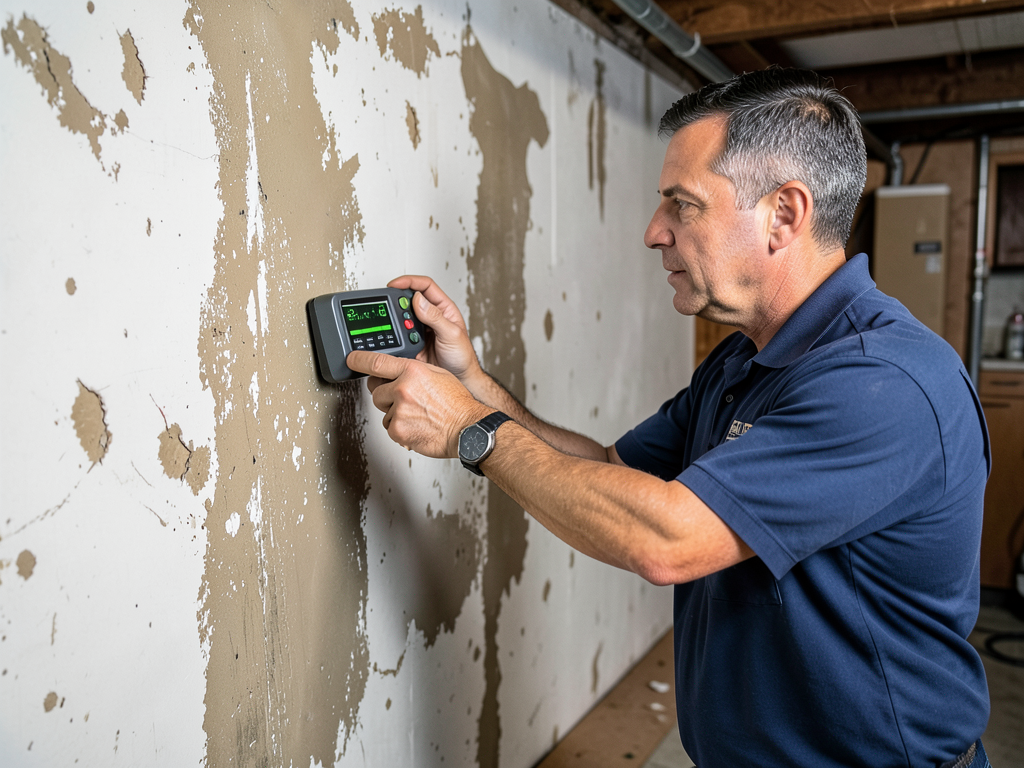
Professional restoration companies use moisture meters that measure water content at different depths in walls and floors. These readings create a moisture map that proves the damage extent to insurance adjusters. Without this data, adjusters often underestimate the required drying time and equipment.
Direct Insurance Billing: Why It Matters
Working with a restoration company that handles insurance billing directly eliminates stress and prevents out-of-pocket expenses. Most reputable St. Louis restoration companies have established relationships with major insurers.
The process works like this: the restoration company provides the insurance adjuster with detailed documentation and estimates. They negotiate the scope of work and ensure all necessary repairs are included. You only pay your deductible, and the insurance company pays the restoration company directly.
Golden Nugget: St. Louis restoration companies familiar with local building codes understand that older homes in neighborhoods like Tower Grove and Central West End require specific restoration approaches to maintain historical integrity. Insurance adjusters unfamiliar with these requirements might approve inadequate repairs.
Common St. Louis Water Damage Scenarios
Different water damage sources have different insurance implications. Understanding your specific situation helps you communicate effectively with your insurance company.
Pipe Bursts in Winter
Freeze-thaw cycles in St. Louis cause thousands of pipe bursts annually. Most standard policies cover sudden pipe bursts, but they may deny claims if the pipe burst due to lack of maintenance or if the home was unoccupied without proper winterization.
Sewer Backups
During heavy rains, St. Louis’s combined sewer systems can back up into basements. Standard homeowners policies exclude this unless you have a specific sewer backup endorsement. The cost of this endorsement is typically $50-100 annually but can save you thousands in damages.
Foundation Seepage
Missouri’s clay soil expands when wet and contracts when dry, creating pressure on foundations. Over time, this causes cracks that allow water seepage. Insurance considers this gradual damage and typically excludes it from coverage. Waterproofing solutions are considered maintenance, not insurance-covered repairs.
Working With Public Adjusters in Missouri
A public adjuster works for you, not the insurance company. In Missouri, public adjusters can help maximize your claim settlement, but they charge 10-20% of the claim amount.
Consider a public adjuster if: your claim exceeds $10,000, the insurance company denies your claim, or you disagree with the adjuster’s damage assessment. For smaller claims, the fee often exceeds the additional money you might recover.
Golden Nugget: Missouri law requires public adjusters to be licensed and follow specific ethical guidelines. They cannot charge fees upfront and must provide a written contract. Always verify their Missouri license through the Department of Commerce and Insurance.
Preventing Future Water Damage
Once you’ve experienced water damage, preventing future incidents becomes a priority. Many preventive measures also satisfy insurance companies that you’re maintaining your property properly.
- Install water leak detection systems that automatically shut off water when leaks are detected
- Clean gutters and downspouts twice yearly to prevent roof water from pooling near foundations
- Inspect and maintain sump pumps annually, especially before spring rains
- Check for foundation cracks annually and seal small cracks before they expand
- Install backwater valves to prevent sewer backups during heavy rains
Frequently Asked Questions
Does homeowners insurance cover water damage from a leaking roof?
Yes, if the leak is sudden and accidental. Insurance covers the resulting damage but not the cost of repairing the roof itself unless the roof damage was also caused by a covered peril like hail or wind.
How long do I have to file a water damage claim in Missouri?
Most policies require notification within 30-60 days of discovering the damage. However, you should report damage as soon as possible to prevent further deterioration and meet policy requirements for mitigating damages.
Will insurance cover mold from water damage?
If the water damage itself is covered, resulting mold is typically covered as part of the same claim. However, mold from ongoing moisture problems or lack of maintenance is excluded.
What if my insurance denies my water damage claim?
You can request a detailed explanation of the denial, appeal the decision, or hire a public adjuster to review your case. Some denials result from incomplete documentation or misunderstandings about policy coverage.
Take Action Before It’s Too Late
Water damage waits for no one. Every hour that passes allows moisture to spread deeper into your home’s structure, increasing repair costs and the likelihood of mold growth. Whether you’re dealing with active water damage or want to prepare for potential future incidents, understanding your insurance coverage and having a plan is essential.
If you’re facing water damage right now, call (314) 428-9977 for immediate assistance. Our team specializes in working with St. Louis insurance companies to ensure your claim is documented properly and processed quickly. We provide the professional documentation that insurance adjusters require and handle direct billing to minimize your stress.
Don’t let water damage turn into a nightmare of denied claims and mounting repair costs. Call (314) 428-9977 today to schedule your inspection and take the first step toward getting your home back to normal.. Read more about The First Three Things You Must Do if Your Ballwin Basement Floods.
Remember: The difference between a paid claim and a denied claim often comes down to documentation and timing. Act quickly, document thoroughly, and work with professionals who understand St. Louis insurance requirements. For more information, visit IICRC (Institute of Inspection Cleaning and Restoration Certification).
You may also find this helpful. Why Webster Groves Families Trust Us for Emergency Mold Remediation.
You may also find this helpful. Maryland Heights Emergency Water Extraction for Apartments and Condos.
{
“@context”: “https://schema.org”,
“@type”: “BlogPosting”,
“headline”: “How to Get Your St. Louis Home Insurance to Actually Pay for Water Damage”,
“description”: “Discover the exact steps St. Louis homeowners need to take to get their insurance to pay for water damage claims. Learn local policy nuances, documentation requirements, and how to avoid common denial traps.”,
“wordCount”: 1548,
“datePublished”: “2026-02-21T15:44:00.000Z”,
“dateModified”: “2026-02-21T15:44:00.000Z”,
“inLanguage”: “en-US”,
“mainEntityOfPage”: {
“@type”: “WebPage”,
“@id”: “https://patriotwaterdamagerestorationstlouis.com”
},
“publisher”: {
“@type”: “LocalBusiness”,
“name”: “Patriot Water Damage Restoration St. Louis”,
“url”: “https://patriotwaterdamagerestorationstlouis.com”
},
“author”: {
“@type”: “Organization”,
“name”: “Patriot Water Damage Restoration St. Louis”,
“url”: “https://patriotwaterdamagerestorationstlouis.com”
},
“image”: {
“@type”: “ImageObject”,
“url”: “https://patriotwaterdamagerestorationstlouis.com/wp-content/uploads/2026/03/how-to-get-your-st-louis-home-insurance-to-actuall-1.png”
}
}
{
“@context”: “https://schema.org”,
“@type”: “LocalBusiness”,
“name”: “Patriot Water Damage Restoration St. Louis”,
“url”: “https://patriotwaterdamagerestorationstlouis.com”,
“address”: {
“@type”: “PostalAddress”,
“addressLocality”: “St. Louis”
},
“areaServed”: {
“@type”: “City”,
“name”: “St. Louis”
}
}
{
“@context”: “https://schema.org”,
“@type”: “FAQPage”,
“mainEntity”: [
{
“@type”: “Question”,
“name”: “Does homeowners insurance cover water damage from a leaking roof?”,
“acceptedAnswer”: {
“@type”: “Answer”,
“text”: “Yes, if the leak is sudden and accidental. Insurance covers the resulting damage but not the cost of repairing the roof itself unless the roof damage was also caused by a covered peril like hail or wind.”
}
},
{
“@type”: “Question”,
“name”: “How long do I have to file a water damage claim in Missouri?”,
“acceptedAnswer”: {
“@type”: “Answer”,
“text”: “Most policies require notification within 30-60 days of discovering the damage. However, you should report damage as soon as possible to prevent further deterioration and meet policy requirements for mitigating damages.”
}
},
{
“@type”: “Question”,
“name”: “Will insurance cover mold from water damage?”,
“acceptedAnswer”: {
“@type”: “Answer”,
“text”: “If the water damage itself is covered, resulting mold is typically covered as part of the same claim. However, mold from ongoing moisture problems or lack of maintenance is excluded.”
}
},
{
“@type”: “Question”,
“name”: “What if my insurance denies my water damage claim?”,
“acceptedAnswer”: {
“@type”: “Answer”,
“text”: “You can request a detailed explanation of the denial, appeal the decision, or hire a public adjuster to review your case. Some denials result from incomplete documentation or misunderstandings about policy coverage.”
}
}
]
}
{
“@context”: “https://schema.org”,
“@type”: “HowTo”,
“name”: “Emergency Water Damage Response”,
“step”: [
{
“@type”: “HowToStep”,
“position”: 1,
“name”: “Stop the Source”,
“text”: “Turn off the main water valve if it’s a plumbing leak. For roof leaks, place buckets to catch water and move valuables to dry areas. For sewer backups, avoid contact with contaminated water and evacuate if necessary.”
},
{
“@type”: “HowToStep”,
“position”: 2,
“name”: “Document Everything”,
“text”: “Take timestamped photos and videos of all affected areas before cleaning up. Capture the source if visible, standing water, damaged belongings, and any structural damage. Use your phone’s date stamp feature.”
},
{
“@type”: “HowToStep”,
“position”: 3,
“name”: “Mitigate Further Damage”,
“text”: “Remove wet items from floors, prop up wet furniture on blocks, and use fans if electricity is safe. Insurance requires you to prevent additional damage once the immediate threat is controlled.”
},
{
“@type”: “HowToStep”,
“position”: 4,
“name”: “Call Your Insurance Company”,
“text”: “Report the claim within 24-48 hours. Many policies have time limits for reporting water damage claims. Get your claim number and the adjuster’s contact information.”
}
],
“image”: “https://patriotwaterdamagerestorationstlouis.com/wp-content/uploads/2026/03/how-to-get-your-st-louis-home-insurance-to-actuall-1.png”
}
{
“@context”: “https://schema.org”,
“@type”: “BreadcrumbList”,
“itemListElement”: [
{
“@type”: “ListItem”,
“position”: 1,
“name”: “Home”,
“item”: “https://patriotwaterdamagerestorationstlouis.com”
},
{
“@type”: “ListItem”,
“position”: 2,
“name”: “Blog”,
“item”: “https://patriotwaterdamagerestorationstlouis.com/blog”
},
{
“@type”: “ListItem”,
“position”: 3,
“name”: “How to Get Your St. Louis Home Insurance to Actually Pay for Water Damage”
}
]
}
{
“@context”: “https://schema.org”,
“@type”: “Service”,
“serviceType”: “Water Damage Restoration”,
“provider”: {
“@type”: “LocalBusiness”,
“name”: “Patriot Water Damage Restoration St. Louis”,
“url”: “https://patriotwaterdamagerestorationstlouis.com”
},
“areaServed”: {
“@type”: “City”,
“name”: “St. Louis”
},
“description”: “Discover the exact steps St. Louis homeowners need to take to get their insurance to pay for water damage claims. Learn local policy nuances, documentation requirements, and how to avoid common denial traps.”
}